If you have ever wondered whether Livermore wine country is more than a weekend postcard, the short answer is yes. Living here can feel calmer, more open, and more connected to the land than many Bay Area communities, while still keeping your daily life tied to work, errands, and regional access. If you are trying to picture what day-to-day life really looks like, this guide will help you understand the rhythm, tradeoffs, and lifestyle behind the scenery. Let’s dive in.
Livermore blends space and connection
What makes Livermore stand out is the way it combines rural character with a functioning suburban city. According to the City of Livermore, the community was founded in 1869 and sits as the easternmost city in the Bay Area, surrounded by wineries, farmland, and ranchland. That setting shapes how the city feels on an ordinary day, not just on special occasions.
The wine-country atmosphere is also supported by local planning. The City’s Open Space and Conservation Program focuses on preserving agricultural land, scenic value, biodiversity, and recreation, while the South Livermore Valley Specific Plan is designed to guide development and conserve agricultural and natural resources. In simple terms, the open views and protected landscape are part of Livermore’s identity by design.
What daily life feels like
For many people, Livermore feels active without feeling rushed. You can go from a workday schedule to an evening downtown, then spend part of the weekend near vineyards, open space, or local events. That mix creates a pace that feels more relaxed than a denser urban setting, while still giving you plenty to do.
The city describes downtown Livermore as a restored shopping, dining, entertainment, and cultural district. It includes a 10-screen cinema and a 500-seat performing arts center, along with restaurants and seasonal live outdoor music. That means your routine can include easy local outings without needing to leave town for every dinner or event.
Downtown adds energy without the rush
One of the strongest parts of the Livermore lifestyle is how close downtown life feels to the wine-country setting. You are not choosing between a rural atmosphere and a central social area. In Livermore, those two experiences sit surprisingly close together.
Local sources highlight a year-round Sunday farmers market and a Thursday market during the spring and summer season. Community events such as Wine & Chocolate Stroll, Street Fest, and Bites & Vines help shape the calendar. The result is a social scene that often centers on market mornings, tastings, and community gatherings rather than big-city nightlife.
A place for simple weekend routines
In practical terms, your weekend might be built around smaller moments instead of packed schedules. You might start with coffee and the farmers market, head to a tasting room later in the day, or spend time downtown in the evening. That rhythm is a big part of what residents and buyers respond to.
If you like a lifestyle that feels social but not overly busy, Livermore often checks that box. There is activity, but it tends to feel approachable and spread out. For many buyers, that balance is exactly the appeal.
Wine country is part of everyday living
In Livermore, wine is not just a tourism feature. It is part of the area’s social identity and a visible part of the landscape. Visit Tri-Valley notes that the Livermore Valley has 42 wineries with tasting rooms, which gives the area a consistent wine-country presence throughout the year.
The Livermore Valley Winegrowers Association also emphasizes a welcoming style of hospitality across the region. That matters because it helps shape how the area feels to live in, not just how it looks in photos. The experience is often more personal and relaxed than what people imagine when they think of larger, more commercial wine destinations.
The vineyards feel close to home
One detail that says a lot about Livermore is how near the wine corridor is to downtown. Visit Tri-Valley even maps a bike route from downtown Livermore to Concannon Vineyard. That closeness helps create a lifestyle where a tasting, a bike ride, or an outdoor afternoon can feel like a normal part of your week.
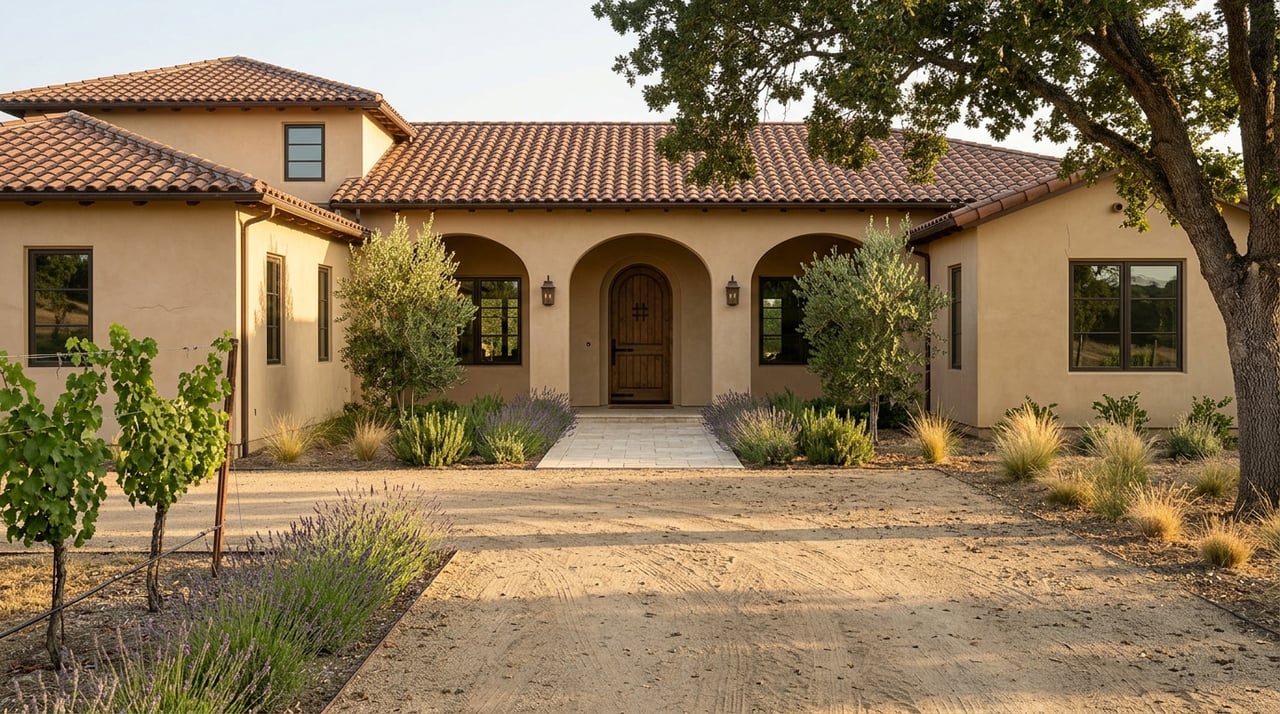
For buyers looking for privacy, views, or a little more land, that setting can be especially appealing. You get the sense of breathing room that many people want, while still staying connected to everyday conveniences. That combination is a big reason Livermore stands out in the East Bay.
Work and commuting still fit the lifestyle
A slower setting does not mean Livermore is cut off from the broader Bay Area. The city is connected by I-580, with access west into the Bay Area and east toward the Central Valley. I-680 and Route 84 also provide another route toward San Jose.
For commuters, the city notes an ACE station near downtown, a second ACE stop near Lawrence Livermore National Laboratory, and Wheels bus connections to neighboring cities and the BART station. Since BART service currently extends to Dublin/Pleasanton rather than Livermore itself, daily life here is still more car-oriented than in some denser East Bay locations. That is an important tradeoff to understand before you move.
Remote work works well here
Livermore can also support a work-from-home lifestyle. Census QuickFacts reports household computer ownership at 98.2% and broadband subscription at 96.9%. The same source shows a mean travel time to work of 30.1 minutes, which helps paint a picture of a community that supports both commuting and remote work routines.
The local economy also adds to that sense of connection. The city is home to major science employers such as Lawrence Livermore National Laboratory and Sandia National Laboratories, and the city notes access to nearby airports including SFO, OAK, and San Jose. So while the scenery may feel removed from the busier parts of the Bay Area, your professional life can still stay closely linked to the region.
Who tends to love Livermore most
Livermore often resonates with buyers who want more space, more privacy, and a more grounded setting without stepping away from Bay Area access. If you picture home as a place where the setting matters just as much as the square footage, Livermore tends to make sense. It appeals to people who value scenic surroundings, room to spread out, and a lifestyle that feels more intentional.
This can be especially true if you are drawn to larger homes, multi-acre properties, or homes near open land. The city’s planning framework, open-space protections, and winery landscape all support that sense of place. It is not just about buying a house. It is about choosing an environment.
The tradeoffs are real
As appealing as the lifestyle is, it helps to be realistic. Livermore is not a low-cost alternative. Census QuickFacts shows a 72.0% owner-occupied housing rate, a median owner-occupied home value of $1,105,600, and median gross rent of $2,677.
That data supports what many buyers already sense. People often choose Livermore because they want the lifestyle and long-term fit, not because it is the cheapest option. You are paying for space, setting, and access to a very specific kind of Bay Area living.
Expect a more car-oriented routine
Another tradeoff is transportation style. While Livermore is regionally connected, your daily routine will usually involve driving more than it would in a denser urban neighborhood. For some buyers, that feels completely natural. For others, it is a meaningful shift.
The upside is that the extra driving often comes with more open views, larger lots, and a quieter day-to-day setting. If those are your priorities, the tradeoff may feel well worth it. The key is making sure your lifestyle goals match the reality of the location.
Why residents stay
Livermore’s appeal is not just visual. It also shows up in how residents feel about living there. The city’s 2025 community survey found that 95% of residents rated Livermore as an excellent or good place to live, with quality of life, safety, and natural environment receiving top marks.
That result lines up with the bigger picture. Livermore offers a setting where a Saturday might mean a market morning, a bike ride, or time at a tasting room, while the rest of the week still works for people who need access to jobs and regional transportation. That is what wine country living here really feels like: grounded, scenic, and practical in equal measure.
If you are considering a move to Livermore and want a thoughtful, local perspective on neighborhoods, land, and lifestyle fit, The Kristy Peixoto Team offers white-glove guidance for buyers and sellers who value experience, discretion, and a deep understanding of East Bay lifestyle properties.
FAQs
What does Livermore wine country living feel like day to day?
- It typically feels relaxed and scenic, with a mix of downtown dining, farmers markets, winery visits, open space, and everyday suburban convenience.
How close is downtown Livermore to the wineries?
- Downtown and the wine-country corridor are very close, and Visit Tri-Valley even highlights a bike route from downtown Livermore to Concannon Vineyard.
Is Livermore a good fit for Bay Area commuters?
- Livermore can work well for commuters because it has access to I-580, I-680, Route 84, ACE service, and bus connections, though daily life is still more car-oriented than in BART-served urban centers.
Is Livermore practical for remote work?
- Yes, available Census QuickFacts data shows high household computer ownership and broadband subscription rates, which supports work-from-home routines.
What are the main tradeoffs of living in Livermore?
- The main tradeoffs are higher housing costs and a more car-dependent routine compared with denser East Bay neighborhoods.
Who is Livermore wine country most likely to appeal to?
- It often appeals to buyers who want more space, privacy, scenic surroundings, and a lifestyle that stays connected to Bay Area job centers.