Wondering why one Crow Canyon home moves quickly while another sits for weeks? That is a fair question, especially in a foothill market where a handful of sales can shift the numbers in a big way. If you are thinking about buying or selling in this area, it helps to understand how Crow Canyon fits into the broader San Ramon and Contra Costa landscape. Let’s dive in.
Why Crow Canyon Moves Differently
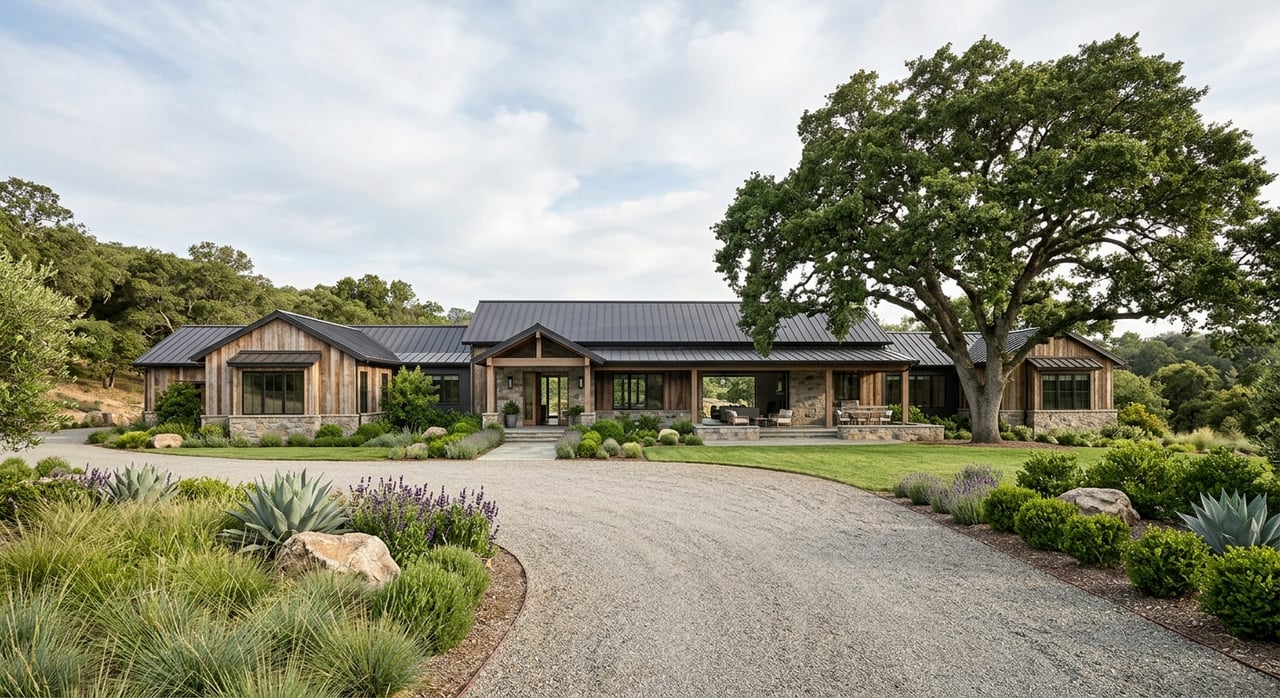
Crow Canyon is not a typical tract-home market. Its setting along San Ramon’s foothill and open-space edge gives it a more limited, niche feel than many nearby neighborhoods. The City of San Ramon identifies the Crow/Bollinger Canyon area as part of its open-space landscape, and Crow Canyon Road remains a key access corridor rather than an isolated rural lane.
That setting matters because it helps shape both demand and supply. Nearby Las Trampas Wilderness Regional Preserve and the preserved rolling-hill backdrop add to the appeal for buyers who value space, views, and privacy. At the same time, open-space preservation limits how much new nearby inventory can be added, which keeps this pocket supply constrained.
Crow Canyon Prices Require Context
If you look at one headline number for Crow Canyon, you may get the wrong impression. Different data sources show very different median prices because this is a small market with few sales. In thinly supplied submarkets, one or two closings can move the median sharply.
For example, Realtor.com’s May 2026 snapshot for Crow Canyon shows 9 homes for sale, a median listing price of $1.235 million, a median sold price of $1.67 million, and 24 median days on market. Redfin’s Crow Canyon page, using a different recent time window, shows a median sale price of $615,771, 54 days on market, 5 homes sold in April 2026, and a 99.3% sale-to-list ratio.
Those numbers are not necessarily conflicting. They show why Crow Canyon should be read as a micro-market, not a single uniform price band. The most accurate read often comes from the newest comparable sales that truly match the property’s lot size, condition, privacy, and location along the corridor.
How San Ramon Shapes the Market
Crow Canyon does not exist in a vacuum. San Ramon overall remained relatively strong in the most recent data, with a median sale price of $1.575 million over the three months ending May 2026, 14 median days on market, 157 homes sold, and a 99.6% sale-to-list ratio.
That broader city strength matters because it supports buyer confidence in the area. It also shows that well-positioned properties can still draw serious interest even when affordability pressures remain. For buyers and sellers in Crow Canyon, the citywide trend provides useful context, but not the full story.
Contra Costa County gives another layer of perspective. Countywide, Redfin shows a median sale price of $837,488, 37 median days on market, and a 101.9% sale-to-list ratio in May 2026. That suggests a market that is still competitive, though not identical to what you may see in more specialized foothill and estate pockets.
Nearby Micro-Markets Show the Range
One of the best ways to understand Crow Canyon is to compare it with nearby higher-end and foothill-oriented areas. These pockets show just how much property type and location can affect results.
- Crow Canyon Country Club in Danville: $1.30 million median sale price, 8 days on market, 7 homes sold in May 2026, 100.7% sale-to-list ratio
- Norris Canyon: $3.18 million sale price, 7 days on market, only 2 homes sold over the last 3 months
- The Bridges: $2.292 million median sale price, 48 days on market
- Westside San Ramon: $2.01 million median sale price, 19 days on market
This spread is the key takeaway. Two homes may be close geographically, but the market can behave very differently depending on lot configuration, views, privacy, condition, and overall presentation.
Days on Market Means More Here
In a niche market like Crow Canyon, days on market can tell you a lot, but only when you read it carefully. San Ramon citywide was at 14 days on market, while Crow Canyon came in at either 24 days or 54 days depending on the source and time frame. Nearby comparison areas ranged from 7 days in Norris Canyon to 48 days in The Bridges.
That range shows why you should not treat days on market as a simple pass-or-fail score. In an estate or foothill setting, a longer timeline may reflect unique land features, specialized buyer demand, or pricing that started above the narrow buyer pool’s comfort zone. In other words, the corridor name alone does not determine speed.
For sellers, quick movement with a near-list or above-list outcome usually suggests the property matched the market well. A 30- to 60-day timeline, especially with repeated price cuts, often signals that buyers see a pricing gap or need more reasons to act.
For buyers, longer days on market can create opportunity. You may have more room for inspections, financing, or negotiations, but that does not always mean a rare property will sell at a discount.
Inventory Is Tight and Uneven
Inventory tells a similar story. Realtor.com shows 205 homes for sale in San Ramon overall, but only 9 in the Crow Canyon neighborhood. That is a very small pool, and in a market this size, a single listing or closing can noticeably influence the numbers.
Nearby inventory is also limited. Realtor.com shows just 1 active listing in The Bridges and 4 in Norris Canyon Estates. Low supply across these foothill-oriented segments helps explain why buyers still compete for the right property, even when they are more selective than they were in lower-rate years.
Because of that, it is smart to focus on a 3- to 6-month trend instead of overreacting to one monthly snapshot. In a market this thin, broader patterns usually tell a more reliable story than a single median figure.
Mortgage Rates Still Affect Decisions
Financing remains part of the market equation. Freddie Mac reported a 30-year fixed rate of 6.48% for the week ending June 4, 2026, and C.A.R. reported a May 2026 monthly average of 6.44%.
Those rates continue to influence both buyers and sellers. Buyers tend to be more selective at this payment level, and many existing owners remain reluctant to give up a lower locked-in rate. That lock-in effect helps keep inventory tight, which supports pricing for desirable homes, especially in supply-limited areas.
Wildfire and Insurance Matter in Foothill Areas
If you are evaluating Crow Canyon, market value is only part of the conversation. Foothill and acreage properties need a practical hazard and insurance review as well. CAL FIRE’s Fire Hazard Severity Zone program classifies land as moderate, high, or very high hazard, and climate risk sections for San Ramon and nearby foothill communities flag major wildfire exposure over the next 30 years.
For buyers, that means looking closely at wildfire disclosures, defensible space, and home-hardening features. For sellers, it means preparing for informed questions about insurability and readiness. In this type of market, those issues are not side notes. They are part of how buyers judge value and risk.
What Sellers Should Watch Now
If you are selling in Crow Canyon, accuracy matters more than broad averages. Pricing against all of San Ramon can miss the mark if your property is an estate, acreage parcel, or uniquely sited home. The better approach is to compare your home against the narrowest realistic peer group.
That means looking closely at:
- Similar lot size and usable land
- Privacy and setback from the road
- Views and open-space adjacency
- Home condition and updates
- Recent comparable sales with a similar buyer profile
In a niche market, thoughtful positioning can make a major difference. Buyers in this segment are often willing to pay for rarity, but they are also careful and data aware.
What Buyers Should Watch Now
If you are buying in Crow Canyon, patience and precision both matter. You may see listings that look similar on the surface but differ meaningfully in utility, setting, or long-term appeal. That is why the newest truly comparable sale is often more useful than a general city median.
It also helps to watch for signals beyond price alone. A home that sells quickly near asking may have checked the right boxes on condition, privacy, and location. A home with a longer timeline may offer negotiation room, but you should still weigh its rarity and overall fit before assuming it is overpriced.
The Bottom Line on Crow Canyon Today
The most useful way to understand Crow Canyon right now is to see it as a group of overlapping micro-markets. San Ramon overall is still moving at a healthy pace, but Crow Canyon and nearby foothill pockets can perform very differently depending on the exact property.
That is why broad median numbers only go so far here. If you are buying, the right benchmark is the most similar recent sale. If you are selling, the smartest strategy is market-driven pricing paired with a tailored plan that reflects what makes your property distinct.
When you are dealing with a unique home, acreage, or an estate-style setting, local nuance matters. For white-glove guidance on pricing, timing, and positioning in the East Bay foothills, connect with The Kristy Peixoto Team.
FAQs
What is the Crow Canyon real estate market like today?
- Crow Canyon is a small, supply-limited market where pricing and timing can vary widely by property type, lot, condition, and privacy rather than by neighborhood name alone.
How many homes are for sale in Crow Canyon right now?
- Realtor.com’s May 2026 snapshot shows 9 homes for sale in the Crow Canyon neighborhood, which highlights how limited inventory is in this pocket.
Why do Crow Canyon home price reports look different?
- Different data providers use different boundaries and time windows, and in a low-volume market, just a few sales can move the median price significantly.
How fast are homes selling in Crow Canyon?
- Recent reports showed median days on market ranging from 24 to 54 days depending on the source, which suggests timing can shift quickly based on the specific homes that sold.
How does Crow Canyon compare with San Ramon overall?
- San Ramon has been moving faster overall, with a median of 14 days on market and a $1.575 million median sale price in the latest Redfin citywide data.
What should Crow Canyon sellers focus on when pricing a home?
- Sellers should focus on the narrowest realistic comparable sales, especially those with similar acreage, privacy, setting, and condition, rather than relying only on citywide averages.
What should Crow Canyon buyers pay attention to besides price?
- Buyers should review lot usability, privacy, views, condition, wildfire-related disclosures, insurance considerations, and how closely the home matches the most recent comparable sales.