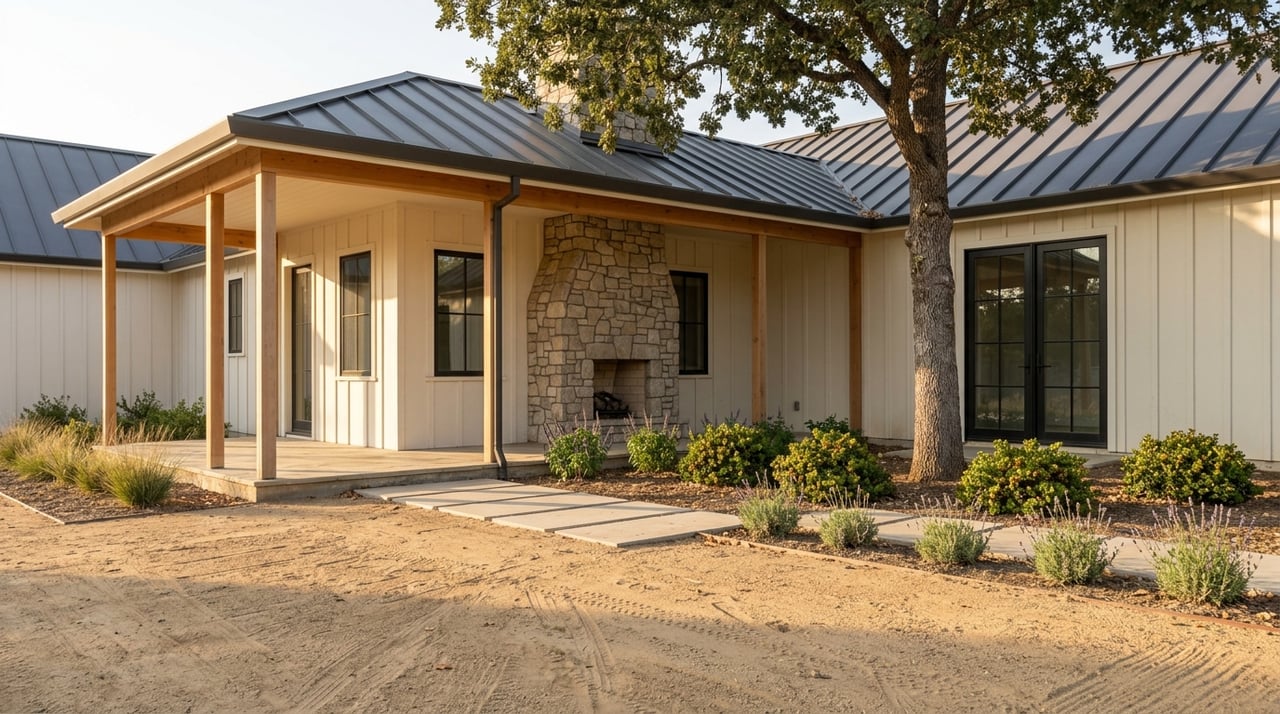
Looking for room to breathe without giving up practical access to the rest of the East Bay? That is the core appeal of Sunol ranchette living. If you are drawn to acreage, privacy, and a more rural daily rhythm, Sunol offers a rare mix of open land and corridor convenience. Let’s take a closer look at what makes this pocket of Alameda County stand out.
Why Sunol Feels Different
Sunol is an unincorporated Alameda County community with fewer than 1,000 residents spread across 86 square miles, according to the Sunol Citizens Advisory Council. That scale matters because it shapes everything from the pace of life to the sense of space around you. Instead of feeling like a typical suburb, Sunol feels tied to the land.
The community is bordered by Fremont to the south and west, Pleasanton to the north, and Livermore to the east. That location gives you a useful middle ground. You can enjoy a rural setting while still staying connected to nearby job centers, shopping, dining, and day-to-day services.
Sunol’s character also comes from its natural setting. The area includes Alameda Creek, which the county describes as the largest watershed in the Southern San Francisco Bay. That backdrop helps explain why the landscape often feels more ranch-country than suburban corridor.
680 Corridor Access Matters
For many buyers, the real story is not just acreage. It is acreage with access. Sunol sits along the I-680 corridor, and Caltrans and Alameda CTC are actively improving I-680 in Fremont, Pleasanton, and Sunol.
The Sunol Express Lanes connect SR 84 near Pleasanton with the South Bay corridor toward Milpitas. In practical terms, that supports commuting and regional movement while preserving the rural feel that makes Sunol appealing in the first place. If you want country-style living without feeling cut off, this location checks an important box.
What Ranchette Living Looks Like
Ranchette living in Sunol is closely tied to the area’s ranching history and open-space identity. Sunol Wilderness Regional Preserve sits on land that was used almost exclusively as ranch land for much of the last century, and cattle still graze the 6,859-acre preserve today. That is not just a scenic detail. It reflects the working-land roots that still influence the area’s feel.
Daily life here often includes more land, more gear, and more planning than you might expect in a conventional neighborhood. In Sunol Wilderness, visitors are advised to bring drinking water because there is no drinking water in the park, and open fires or barbecues are not allowed. That mindset of preparedness fits the rhythm of rural property ownership.
If you are considering a ranchette, it helps to think beyond the house itself. You may also be evaluating access roads, outdoor storage, vegetation management, and how the land supports the lifestyle you want. In a market like Sunol, those details can matter just as much as square footage.
Wildfire Readiness Is Part of Ownership
In unincorporated areas like Sunol, wildfire readiness is one of the most important practical topics to understand. Alameda County Fire Department code administration covers unincorporated areas, and the county says fire services for the area around and including Sunol are provided under contract with CAL FIRE. For acreage owners, this is not a side issue. It is part of responsible property stewardship.
CAL FIRE describes defensible space as the buffer between a structure and surrounding wildland. The agency also emphasizes home hardening, safe landscaping, and vegetation management as central parts of wildfire safety.
The Board of Forestry’s 2025 Zone 0 work reinforces the importance of the immediate 0-to-5-foot area around a home. In simple terms, the space closest to the structure matters. If you are buying or selling a ranchette, this kind of preparation can shape both peace of mind and property presentation.
Outdoor Living Is Built In
One of Sunol’s biggest lifestyle advantages is how naturally outdoor recreation fits into everyday life. You are not just near open space. You are part of a regional network of trails, preserves, and recreation areas that support hiking, horseback riding, picnicking, camping, and more.
The Ohlone Wilderness Trail runs 28 miles through southern Alameda County, passing Mission Peak, Sunol Regional Wilderness, and Del Valle Regional Park. East Bay Regional Park District notes that day-use permits will no longer be required beginning January 1, 2026, although overnight camping reservations will still be required. Water along the trail is non-potable and may not be available, so planning ahead remains essential.
Del Valle Regional Park offers a different type of weekend experience. The park centers on a five-mile-long lake with swimming, windsurfing, boating, hiking, horseback riding, and camping. It is also described as the eastern gateway to the Ohlone Wilderness Trail, which adds to Sunol’s appeal for buyers who value active outdoor access.
Sunol Wilderness itself supports biking, camping, hiking, horseback riding, and picnicking. The park district also notes there is no public transit to the park, which is another reminder that Sunol living tends to reward self-sufficiency and planning.
A Quieter Alternative to Busier Parks
If you enjoy access to major East Bay recreation but prefer a calmer home base, Sunol stands out. Mission Peak is one of the region’s best-known hiking destinations, and East Bay Regional Park District describes it as well used on weekends, with hundreds of hikers attempting the summit hike. By contrast, Sunol can feel quieter and more grounded in open-space living.
That balance can be especially appealing if you want the beauty of the East Bay foothills without the intensity that often comes with busier suburban recreation hubs. You still have access to the wider network, but your day-to-day environment feels more private and less crowded.
Small-Town Gathering Spots Still Matter
Even with its rural setting, Sunol has local places that help create community rhythm. Sunol Depot Gardens, also known as Community Park, is described by the local community group as a favorite meeting spot with picnic areas, an arbor or bandstand, bocce, horseshoes, and a walking path. That kind of informal gathering space says a lot about how the community functions.
Sunol also has local anchors that reflect its close-knit identity, including the Sunol Citizens Advisory Council and Sunol Glen Unified School District. For some buyers, those institutions help define the appeal of a smaller, more established rural community. They give the area a sense of continuity that can feel very different from newer suburban development patterns.
Nearby Town Energy Adds Convenience
One of Sunol’s strongest lifestyle advantages is that rural does not mean isolated. Pleasanton is a practical nearby stop for errands, dining, and shopping. The city describes its downtown as vibrant, with independent retailers, and notes that the regional mall includes more than 165 stores and restaurants.
Nearby Niles in Fremont adds another layer of character. Fremont’s historic-district information says Niles still holds its original charm and personality, and the Niles Main Street Association lists recurring events such as the Antique Faire and Flea Market, Concerts on the Plaza, and the Festival of Lights Parade. For Sunol residents, these nearby districts can round out the week with easy access to local events and old-town atmosphere.
Sunol also shares a strong rail-and-trail identity with the surrounding area. Alameda Creek Regional Trail runs 12 miles from Niles Canyon to San Francisco Bay, and Niles Canyon Railway operates public train rides year-round between Sunol and Niles in Fremont on the historic transcontinental alignment. These features add another layer of place-based appeal that feels distinctly local.
Who Sunol Ranchette Living Fits Best
Sunol tends to appeal to buyers who want more than a standard residential footprint. You may be looking for privacy, room for outdoor hobbies, a stronger connection to open land, or a property that feels more like a retreat than a subdivision home. In that sense, Sunol offers a lifestyle choice as much as a real estate option.
It can also appeal to owners who value stewardship. Acreage properties often require more thoughtful planning around maintenance, access, vegetation, and long-term use. For the right buyer, that responsibility is part of the reward.
What to Consider Before You Buy
Before you pursue a ranchette in Sunol, it helps to think through the realities that come with rural property ownership. A beautiful setting is only part of the decision. You also want a clear understanding of how the property supports your daily needs and long-term goals.
Here are a few smart questions to keep in mind:
- How important is quick I-680 access for your routine?
- How much land do you want to maintain?
- What kind of outdoor storage, equipment, or vehicle access will you need?
- How will you approach wildfire readiness and defensible space?
- Do you want to be close to parks, trails, or nearby downtown districts like Pleasanton or Niles?
In a niche market like Sunol, those answers can shape which properties are truly the right fit. A ranchette is rarely a one-size-fits-all purchase.
If you are exploring Sunol or thinking about the value of a unique acreage property along the 680 corridor, working with an experienced local team can make the process much more informed. For tailored guidance on buying or selling lifestyle property in the East Bay foothills, connect with The Kristy Peixoto Team.
FAQs
What is Sunol known for in Alameda County?
- Sunol is known for its rural setting, open space, ranch-country character, and location along the I-680 corridor between Fremont, Pleasanton, and Livermore.
What makes Sunol ranchette living different from suburban living?
- Sunol ranchette living typically offers more acreage, privacy, and connection to open land, along with practical access to nearby East Bay and South Bay destinations.
What outdoor recreation is available near Sunol?
- Nearby recreation includes Sunol Wilderness Regional Preserve, the Ohlone Wilderness Trail, Del Valle Regional Park, Alameda Creek Regional Trail, and year-round rides on Niles Canyon Railway.
What should buyers know about wildfire readiness in Sunol?
- Buyers should understand defensible space, home hardening, vegetation management, and the importance of the immediate area around the home, especially on rural or wildland-adjacent properties.
Is Sunol isolated from shopping and dining?
- No. Sunol has a rural feel, but nearby Pleasanton offers shopping and dining, and nearby Niles adds historic-district charm and local events.
Who is a good fit for a Sunol acreage property?
- Sunol can be a strong fit if you want privacy, open land, outdoor lifestyle access, and a property that supports a more rural day-to-day experience.