Thinking about updating a historic home in Niles? It is easy to see the appeal of modern comforts, but it is just as easy to erase the details that make these homes special in the first place. If you want to improve function, protect value, and keep the character that drew you in, a thoughtful plan matters from day one. Let’s dive in.
Why Niles Renovations Need Extra Care
Niles is not just another older neighborhood. It is one of Fremont’s original township districts, and the city describes it as the earliest home of California’s motion-picture industry. That history shapes how the area is viewed today and why preservation carries real weight.
Fremont’s General Plan says historic settings should be protected, including a property’s scale, massing, landscaping, fences, outbuildings, and heritage trees. It also says new development in historic districts should be complementary in form, height, and bulk instead of trying to create a literal copy of the past. In simple terms, the goal is to keep the feeling of Niles intact while allowing homes to remain useful and livable.
The city’s preservation approach also recognizes practical value. Fremont notes that maintenance, rehabilitation, and continued use of historic resources can provide economic benefits and create a stronger sense of place. For homeowners, that means a careful renovation can support both daily living and long-term property appeal.
Start With Your Home’s Historic Status
Before you choose finishes, redraw a floor plan, or price out an addition, confirm how Fremont classifies the property. This step can shape the entire permit path and save you from expensive redesigns later.
Fremont says properties that are 50 years old or older must complete a Historic Evaluation Request before permits for demolition, relocation, or exterior modifications. The city distinguishes between ordinary older homes, potential register resources, and homes already listed on the Fremont Register. Those categories matter because they affect how your project is reviewed.
If your home is considered a potential register resource, projects like alterations, additions, ADUs, and new construction can use Fremont’s objective design standards checklist. If the property is already a register resource, the project goes through discretionary review by HARB. Fremont also says projects that comply with the checklist are presumed to meet the Secretary of the Interior’s Standards, which can make the process more predictable.
Know What Changed in 2025
Fremont created new objective design standards to streamline review for eligible historic homes while preserving their character. The city says those standards became effective on March 5, 2025. For many owners, this is important because it gives clearer rules earlier in the planning process.
That does not mean every project becomes simple. It does mean you have a more defined framework for what the city is likely to support, especially when your design respects the home’s original features and keeps new work secondary to the historic structure.
Preserve the Features That Create Charm
If you are trying to renovate without losing charm, this is the heart of the process. The strongest preservation guidance is consistent: repair before replace whenever possible.
The National Park Service advises that rehabilitation should retain distinctive materials, features, spaces, and spatial relationships. That means the character of a historic home is not only in a porch railing or a window sash. It is also found in the way rooms connect, how the house sits on the lot, and how exterior elements work together.
Fremont’s historic style worksheets reinforce this idea. Depending on the home’s architectural family, character-defining features may include porches, original stairs, wood siding, wood shingles, and original window frames and sashes. When you know what gives the house its identity, it becomes easier to decide what should stay and what can be updated.
Focus Interior Changes Carefully
Most homeowners want better kitchens, baths, storage, and flow. Those goals are reasonable, but in a historic home, where you make changes matters as much as what you change.
A smart approach is to begin with secondary or non-character-defining spaces before altering the rooms or circulation patterns that give the house its historic feel. Fremont’s General Plan supports adaptive use and rehabilitation of historic properties, which can allow thoughtful interior reconfiguration when the defining historic spaces are respected.
If a historic feature is missing, avoid guessing. Preservation guidance says recovery is preferred only when enough documentation exists. If that documentation is not available, a compatible but clearly new design is better than creating a false historic version.
Be Careful With Exterior Updates
Exterior work is often where charm is lost fastest. Fremont’s objective standards are very specific about the details that should remain consistent.
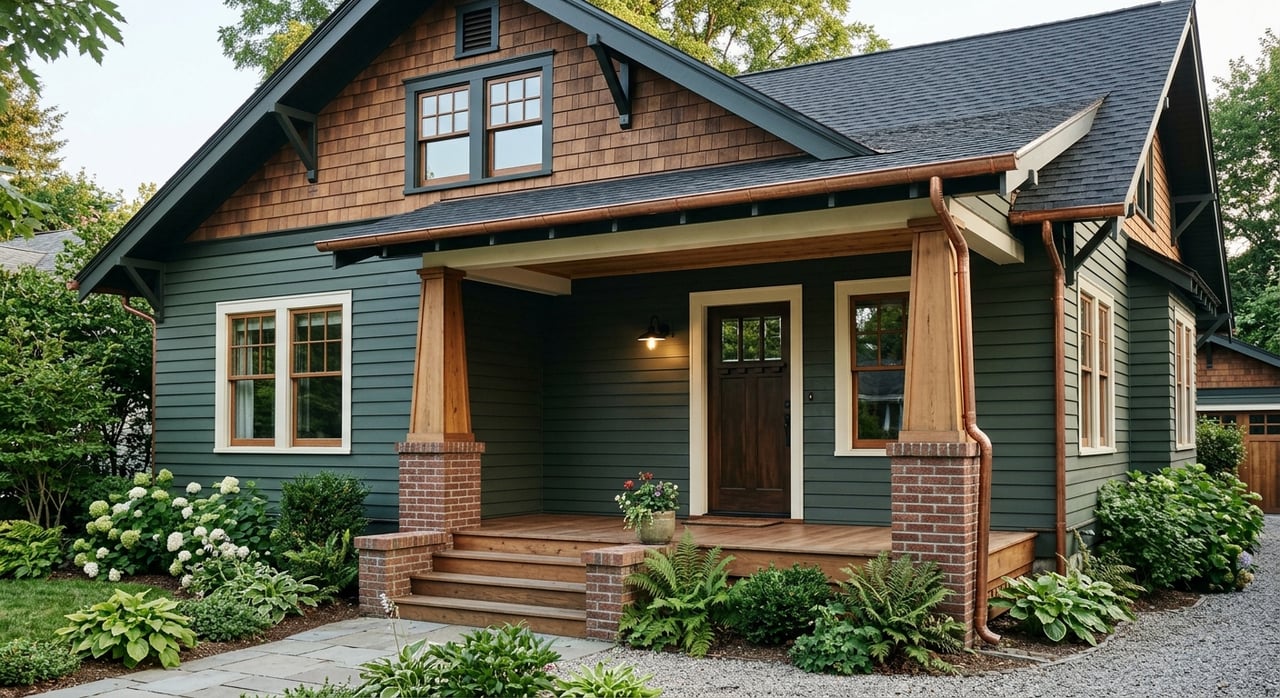
The city says to maintain the original roof shape, keep visible door and window openings the same size and proportion, and avoid adding new street-facing window openings. It also says not to enclose front porches and not to clean historic materials with sandblasting or power-washing. Those rules reflect a simple principle: once major visible elements change, the home can lose the look that ties it to the street and the district.
If doors or windows must be replaced, Fremont requires the same window type as the originals and compatible materials for doors and other visible features. This is one of the clearest examples of where like-for-like decisions usually protect both appearance and approval timelines.
Plan Additions and ADUs as Secondary
You may need more square footage, but in Niles, a successful addition should not overpower the original house. Fremont’s standards favor additions that do not remove character-defining features and stay set back from the primary facade.
The city also favors additions that match the main roof slope and use cladding that matches the house’s material, orientation, finish, and texture. The addition should feel related to the main home without pretending it was always there. That balance is often what keeps a project both functional and historically compatible.
For some addition or replacement contexts, Fremont’s style guidance allows compatible substitute materials such as wood, fiber-cement, or composite-wood siding or shingles, along with style-appropriate stucco, painted brick, or standing-seam metal. Material choices still need to fit the home’s style and visible context, so early review matters.
Do Not Overlook the Site Itself
Historic character is not limited to the house. In Niles, the setting around the home can be just as important.
Fremont’s General Plan treats landscaping, fences, outbuildings, and heritage trees as part of a historic setting. The Niles guidelines also call for significant trees to be identified, protected during construction, and managed over time. If your renovation includes grading, new hardscape, fencing, or an outbuilding, those details deserve the same level of planning as the house itself.
This is especially important for owners of larger or more distinctive parcels. Mature trees, setbacks, and site layout often help create the sense of place that gives a Niles property its lasting appeal.
Use the Right Code Path
Historic homes do not always have to be forced into the same path as newer construction. Fremont’s current building code includes the 2025 California Historical Building Code, and the California Office of Historic Preservation says that code provides alternative regulations for qualified historic buildings or structures, including resources on local historic registers or inventories.
That can matter when you are trying to preserve historic materials or assemblies while still making the home safer and more functional. It is one more reason to confirm status early and build your renovation strategy around the right review path instead of treating the home like a standard remodel.
Fremont also has a Mills Act contract program that can reduce property taxes in exchange for preservation commitments, subject to city approval. For some owners, that may be worth exploring as part of a long-term stewardship plan.
Build a Smoother Renovation Plan
A well-run historic renovation usually starts with documentation and early conversations, not demolition. The National Park Service recommends developing a documentation plan before work begins and involving qualified historic preservation professionals early.
Fremont also advises owners to verify the permit path with Planning staff as soon as possible. Some limited-scope work can be handled through express permits, while larger alterations and additions generally need building and planning review. In Fremont, like-for-like kitchen and bath remodels without wall removal, and some window replacement work that does not alter framing, may qualify for express permits.
A practical planning sequence often looks like this:
- Confirm whether the home is 50 years old or older.
- Complete the Historic Evaluation Request if required.
- Verify whether the property is an ordinary older home, a potential register resource, or a listed register resource.
- Identify character-defining features before design work begins.
- Decide which updates are essential for function and which are cosmetic.
- Review whether the project can follow the objective standards checklist or needs discretionary review.
- Document existing conditions before any work starts.
Renovate for Livability and Long-Term Value
The best Niles renovations usually do not chase trends. They improve comfort, flow, and maintenance while protecting the features that make the home feel rooted in place.
That approach can be especially valuable if you plan to sell in the future. Buyers drawn to historic homes in Niles are often responding to the original details, the streetscape, and the setting as much as the square footage. When updates feel respectful and well planned, the home tends to present as both livable and distinctive.
If you own a character property in Niles, think of renovation as stewardship as much as improvement. The goal is not to freeze the home in time. It is to help it work well today without erasing what makes it memorable.
When you are weighing updates, timing a future sale, or trying to understand how renovation choices may affect market appeal, The Kristy Peixoto Team offers a white-glove, consultative approach grounded in local experience and thoughtful property positioning.
FAQs
What makes a Niles home renovation different from a standard remodel?
- Niles renovations often require closer review because Fremont treats historic character, scale, landscaping, fences, outbuildings, and heritage trees as part of the property’s overall historic setting.
What should Fremont homeowners do first before remodeling a home over 50 years old?
- Fremont says properties 50 years or older must complete a Historic Evaluation Request before permits for demolition, relocation, or exterior modifications.
What exterior features matter most in a historic Niles home renovation?
- Fremont’s standards emphasize keeping the original roof shape, maintaining visible window and door openings, preserving front porches, and avoiding harsh cleaning methods like sandblasting or power-washing.
Can Fremont homeowners add an ADU or addition to a historic Niles home?
- Yes, but the addition or ADU should remain secondary to the historic house, stay set back from the primary facade, and avoid removing character-defining features.
Are there tax benefits for preserving a historic home in Fremont?
- Fremont has a Mills Act contract program that may reduce property taxes in exchange for preservation commitments, subject to city approval.
Can some historic home projects in Fremont qualify for faster permits?
- Yes, Fremont says some limited-scope work may qualify for express permits, including like-for-like kitchen and bath remodels without wall removal and some window replacement work that does not alter framing.