Is a small-town main street with vintage charm calling your name? If you love historic architecture, walkable shops, and a strong sense of place, Niles in Fremont might be the right fit. You want character without giving up Bay Area access, and you need clear guidance on older homes, permits, and costs. This guide walks you through lifestyle highlights, home types, inspections, logistics, and a step-by-step checklist so you can relocate with confidence. Let’s dive in.
Why Niles stands out
Niles is Fremont’s historic village at the edge of Niles Canyon. You’ll find a preserved downtown with antique shops, cafes, and local arts. Film lovers often stop at the Niles Essanay Silent Film Museum to explore the area’s early movie roots. Rail enthusiasts ride the Niles Canyon Railway, a heritage line that offers scenic excursions through the canyon.
Citywide context helps set the scene. Fremont counted 230,504 residents in the 2020 Census, according to U.S. Census QuickFacts for Fremont. Niles is one of the city’s neighborhoods, known for its village ambiance, historic homes, and easy access to major corridors.
Homes and architecture you’ll see
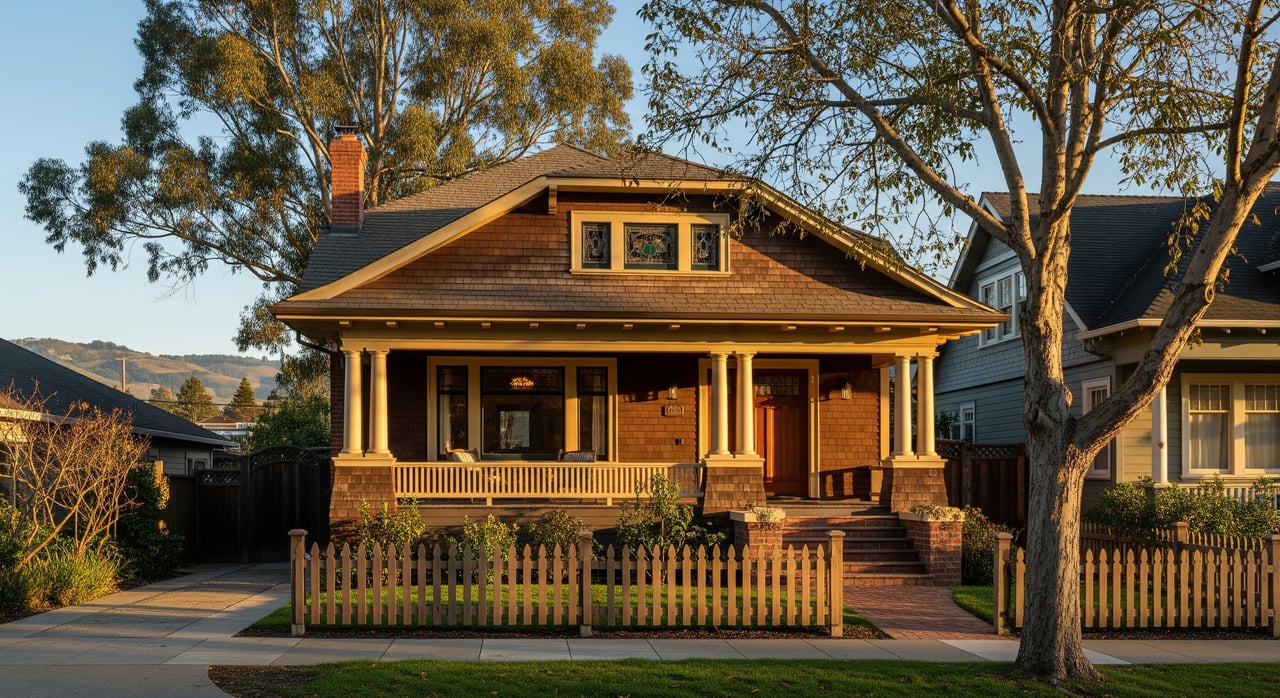
You’ll see late-19th and early-20th century bungalows, Victorians, and Craftsman homes, along with a mix of mid-century houses. Many properties have original details like wood floors, built-ins, and period windows. Some homes have been renovated, while others may need system upgrades. Larger new subdivisions are less common right in the historic core, which helps preserve the village feel.
If you value character and walkability, focus your search near the Niles commercial corridor. If you prefer a quieter setting, look just beyond the core for small-lot homes with a bit more space and privacy.
What to expect from the market
Bay Area markets move quickly, and pricing shifts by season and condition. For the latest trends, consult Bay East Association of REALTORS market reports. Expect competition for well-maintained historic homes and for properties near the village. Updated systems, tasteful renovations, and strong curb appeal often drive premiums. Homes with deferred maintenance, older wiring, or structural work needed may trade at a discount, but you should budget for repairs.
If you’re financing, lenders and appraisers will look closely at condition. For older homes, make sure your lender understands historic properties and can advise on any repair requirements before closing.
Key inspections for older Niles homes
Older houses can be great investments with the right due diligence. Build a thorough inspection plan:
- General home inspection to flag system and safety issues.
- Termite and wood-destroying organism inspection to identify rot and water intrusion.
- Sewer scope, especially if the home may have cast-iron or older lateral lines.
- Roof and chimney inspection to check flashing, masonry, and venting.
- Electrical and HVAC inspection to confirm capacity, safety, and remaining life.
- Lead paint and asbestos checks for pre-1978 construction.
- Structural and seismic assessment to evaluate foundations, cripple walls, and anchoring.
Pro tip: Budget for earthquake retrofitting if needed. Many older Bay Area homes benefit from foundation bolting, shear walls, and chimney reinforcement.
Rules, permits, and preservation
Niles includes a historic district and designated landmarks. Exterior changes can require review. Before you commit to a remodel, verify zoning, historic status, and permit needs with the City of Fremont Planning and Building. Interior updates are often more flexible, but every property is unique, so confirm requirements early.
If you love preservation, explore potential tax incentives. The state’s Mills Act allows cities to grant property tax relief in exchange for maintaining qualified historic properties. Program availability and eligibility are local, so check resources at the California Office of Historic Preservation and confirm with the city and county assessor’s office whether Fremont participates and how.
Commute and daily logistics
Niles sits on the east side of Fremont with access to I-880, I-680, and State Route 84 through Niles Canyon. The nearest BART stations are elsewhere in Fremont and nearby cities, so plan for a short drive or bus connection. For public transit options, review AC Transit schedules and maps.
If you commute to Silicon Valley, Oakland, or Berkeley, test your route during peak hours. Traffic across the Dumbarton Bridge and along I-880 or I-680 can vary significantly by time of day. For weekend fun, the Niles Canyon Railway offers scenic rides, but it is not a commuter rail service.
Schools and local services
Niles is served by the Fremont Unified School District. Attendance boundaries change over time, so verify your address and enrollment process on the Fremont Unified School District boundary and enrollment pages. For higher education and workforce training, Fremont also hosts community college options in the broader area.
Public safety services are citywide. For an accurate, current view of local safety trends, review the Fremont Police Department’s updates and crime data tools on the city website, and compare multiple sources during your research.
Utilities commonly include PG&E for electricity and gas, plus city-arranged refuse and recycling. Water service depends on the specific parcel. Your agent can help you confirm providers during due diligence.
Budgeting for ownership in Niles
California homeowners should account for insurance and natural hazards. Standard policies do not cover earthquake damage. Get a quote for earthquake coverage and factor it into your monthly budget. To understand site-specific risk, review your property on the FEMA Flood Map Service Center and the Cal Fire Fire Hazard Severity Zones map.
California’s property taxes are governed by Prop 13, with reassessment at change of ownership and for new construction. Some parcels include additional assessments or fees. Review the preliminary title report and seller disclosures carefully, and confirm any special taxes with county records.
Practical relocation checklist
Use this checklist to streamline your move:
- Request seller disclosures early: Transfer Disclosure Statement, Natural Hazard Disclosure, and lead-based paint disclosures for older homes.
- Schedule inspections: general, termite, sewer scope, roof and chimney, electrical and HVAC, plus structural and seismic as needed.
- Verify permits and design review: confirm historic status, exterior alteration rules, and required approvals with the City of Fremont Planning and Building.
- Confirm utilities and service providers for your parcel.
- Review title and taxes: note any special assessments and understand how taxes may change after purchase.
- Price and availability: track current trends through Bay East Association of REALTORS market reports.
- Test-drive your commute at peak hours and map out your closest transit stops via AC Transit schedules and maps.
- Review school boundaries and enrollment steps with the Fremont Unified School District.
- Evaluate hazard exposure and insurance: check FEMA Flood Map Service Center, Cal Fire Fire Hazard Severity Zones map, and get quotes for home, earthquake, and flood coverage.
Your next step
If Niles’ historic charm and East Bay access fit your lifestyle, the right preparation will help you buy with confidence. Older homes reward careful due diligence, smart budgeting, and a clear plan for any upgrades. With seasoned guidance, you can preserve character, protect value, and enjoy the village feel that makes Niles special.
For a tailored search and a discreet, white-glove experience, connect with The Kristy Peixoto Team. Our team brings 25-plus years of local expertise, a consultative approach, and curated access to East Bay inventory so you can move forward with clarity.
FAQs
How does Niles compare to the rest of Fremont on price?
- Pricing depends on age, condition, and proximity to the village core. For current data, track trends through Bay East Association of REALTORS market reports.
What inspections are essential for older Niles homes?
- Plan for a general inspection, termite inspection, sewer scope, roof and chimney review, electrical and HVAC checks, and a structural or seismic assessment when concerns exist.
Will historic status limit renovations in Niles?
- Certain exterior changes can require design review. Verify your property’s status and approvals with the City of Fremont Planning and Building before finalizing plans.
Are there tax incentives for preserving a historic home?
- The state’s Mills Act can reduce property taxes for qualified historic properties. Learn about program basics at the California Office of Historic Preservation and confirm local participation with the city and county.
What should I know about insurance and hazards in Niles?
- Standard homeowners insurance does not cover earthquakes. Review your site on the FEMA Flood Map Service Center and Cal Fire Fire Hazard Severity Zones map, then price earthquake and flood coverage accordingly.