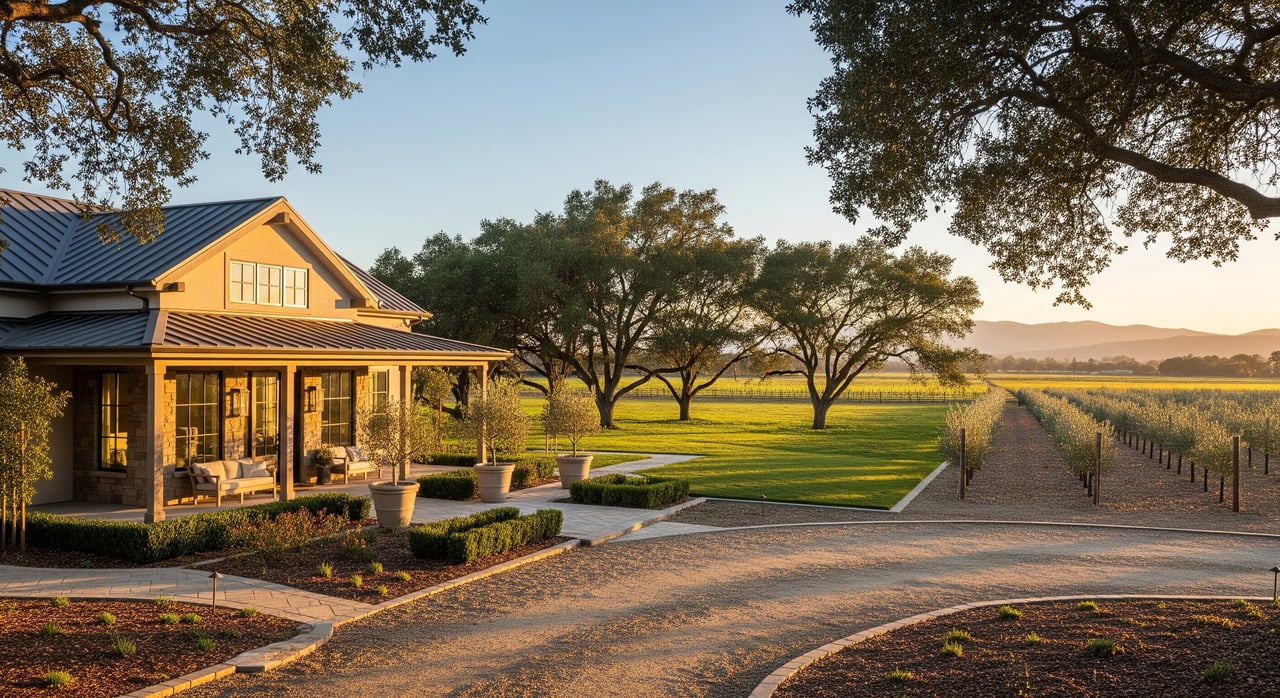
Selling an acreage property in Livermore is different from selling a typical suburban home. Buyers are focused on access, water, septic, outbuildings, and wildfire safety, and they expect clear documentation. If you prepare these items early, you remove uncertainty, reduce lender hurdles, and protect your price. This guide gives you a practical, local playbook for getting your Livermore acreage ready for market, including a 6–18 month plan you can follow. Let’s dive in.
What buyers expect on acreage
Acreage buyers want usable land with reliable year-round access, a safe driveway, proven well yield and water quality, a functioning septic system, sound outbuildings and fencing, and visible wildfire mitigation. When you can verify these with recent inspections, records, and photos, you build trust and help your home appraise and close smoothly.
- Show road access and clear addressing so emergency services can find the property.
- Provide well test results and water quality labs.
- Provide a recent septic pump and inspection report.
- Document defensible space and routine vegetation management.
- Inventory outbuildings, fencing, and permits.
Map your jurisdiction first
Before you schedule work, confirm which agencies govern your parcel. Some properties sit within the City of Livermore, while others are unincorporated Alameda County. Fire service may be Livermore-Pleasanton Fire Department or Alameda County Fire. State law applies to defensible space.
- Identify whether you are inside city limits or unincorporated county.
- Confirm your fire agency and any emergency access requirements.
- Note state-level rules for defensible space under PRC 4291.
- For anything requiring permits, verify the correct office before you start.
Get access and roads market-ready
Private roads and long driveways are typically an owner’s responsibility. Their condition affects insurance, emergency access, and buyer confidence. Address these items early so the property shows well in any season.
- Surface condition: Smooth out potholes, ruts, and washboarding. Consider regrading and new aggregate or repaving where needed.
- Drainage: Clear and right-size culverts, maintain swales, and fix erosion so winter rains do not wash out access.
- Gates and emergency access: Confirm clearance, gate setbacks, turnarounds, and any rapid-entry hardware requirements. Many fire agencies recognize Knox Box systems.
- Signage and addressing: Post visible, reflective address numbers at the road and at key forks.
- Easements and maintenance: Gather recorded easements and any private road maintenance agreements. Have the most current version ready for buyers and title.
If you plan major grading or new culverts, check with the appropriate public works office about grading or encroachment permits and stormwater requirements.
Verify wells and water quality
Buyers and lenders want proof that your private well is reliable and potable. Testing and documentation reduce financing risk and give buyers confidence.
- Water quality: Test at minimum for total coliform/E. coli and nitrate. Consider a broader panel if local conditions suggest it. Keep lab reports handy.
- Well yield: Order a pump test to document gallons per minute. If the equipment is older, have a professional evaluate the pump and motor.
- Wellhead condition: Ensure the casing is secure, visible, and protected. Confirm setbacks from septic components and property boundaries.
- Documentation: Collect well logs, permit numbers, maintenance records, and all test reports.
Disclose private well usage and any known issues on California’s standard forms. Buyers appreciate complete and organized records.
Inspect and service your septic
Septic problems are one of the most common deal-breakers on acreage. A proactive pump and inspection helps you avoid last-minute surprises and re-negotiations.
- Pump and inspect: Verify tank integrity, baffles, inlet and outlet conditions, and the condition of the leach field.
- Estimate longevity: If the system is older, request a professional opinion on remaining life and any upgrades needed to meet current standards.
- Make repairs: Complete minor fixes before listing. If major work is needed, discuss timing, permitting, and whether to repair pre-list or offer a concession.
- Gather records: Assemble permits, past repair invoices, and any county operating or compliance documentation.
You must disclose septic systems and known issues in your California disclosure packet.
Reduce wildfire risk and document it
Wildfire risk is a key concern for East Bay foothill properties. State law requires defensible space around structures, and local fire agencies provide guidance on clearance and access.
- Create defensible space: Maintain a noncombustible zone near structures, thin brush, remove ladder fuels, and keep vegetation managed out to the required distance.
- Clear driveways and egress: Maintain width and vertical clearance so emergency vehicles can enter and turn around.
- Maintain roofs and gutters: Clean gutters and remove overhanging branches. If you plan a roof replacement, consider a Class A roof.
- Hire professionals when needed: For larger projects, use a qualified vegetation management contractor and keep before-and-after photos and invoices.
Insurers often look for visible mitigation. Documenting your work can help when buyers and underwriters review the property.
Audit outbuildings and permits
Barns, shops, ADUs, and animal facilities can add value, but unpermitted work can complicate a sale. A careful audit protects you from title issues and appraisal concerns.
- Inventory structures: List every building and facility, including sizes, approximate build dates, and utilities.
- Verify permits: Check with the correct building department for permits and final inspections. If records are missing, ask about retroactive permit processes.
- Check safety items: Review electrical panels, gas or propane lines, roof condition, and foundations. For older timber, look for signs of termites or wood decay.
- Animal facilities: Confirm fencing and corrals are safe and serviceable. Identify water points and pasture usability.
If a structure is unpermitted, your options include disclosing and negotiating, seeking retrospective permits, or removing the structure if cost-effective. Always document your path forward for buyers.
Confirm utilities, easements, and boundaries
Clarity on utilities and legal access reduces escrow delays. Title companies and lenders often request proof of recorded easements and any shared-road obligations.
- Locate utilities: Mark underground lines and note locations of propane tanks, well lines, and electrical runs.
- Easements and access: Provide recorded easements for roads, wells, and utilities. Include any maintenance or HOA agreements and the latest reserve status, if applicable.
- Boundary clarity: If fences do not match recorded lines or there is any dispute, consider obtaining a survey.
- Utility reliability: Note any known service updates or planned work from your utility providers.
Build your pre-list inspection packet
A well-organized packet speeds up buyer due diligence and strengthens your position during negotiations. Aim to include the following:
- General home inspection covering structure, roof, HVAC, and electrical
- Septic pump and inspection report
- Well yield test and water quality lab results
- Outbuilding assessments for older or large structures
- Driveway and private road evaluation, including culverts or bridges if applicable
- Vegetation and defensible space assessment from a qualified professional
- Preliminary title report and easement summary
- Copies of permits, maintenance invoices, and any open permit applications
Your 6–18 month plan
Use this timeline as a starting point. Adjust for your property’s needs and the permitting calendar.
6–12+ months out
- Order a title and parcel history; flag easements, access agreements, and restrictions.
- Inventory structures, utilities, wells, septic, and fencing.
- Contact your fire authority for driveway and defensible space guidance and to confirm any gate or Knox Box requirements.
- Start major permitted work early, such as culvert or road projects, septic replacement, or structural corrections.
3–6 months out
- Complete septic pumping, inspection, and repairs.
- Perform well yield and water quality testing. Service or replace pump components if needed.
- Execute defensible space work during the appropriate seasonal window.
- Address unpermitted structures by starting retrospective permits or securing them safely.
- Regrade and surface driveways or private roads; fix drainage and update signage.
1–4 weeks before listing
- Obtain updated general home and specialist inspections.
- Gather all permits, test results, and invoices into a digital packet for buyers.
- Tidy barns, shops, and storage areas. Clear gutters and remove debris.
- Finalize disclosures with your listing agent, including well, septic, wildfire, access, and any unpermitted work.
At listing
- Provide digital copies of inspection reports and disclosures for buyer review.
- Be transparent about any limitations and include mitigation plans or bids from contractors.
Avoid common pitfalls
Most issues that derail acreage escrows can be anticipated and managed. Here are the frequent trouble spots and how to avoid them:
- Waiting on septic or well: Late discoveries cause delays and price concessions. Test and service early.
- Missing permits and records: Lack of documentation invites appraisal and title concerns. Assemble permits and maintenance logs upfront.
- Vague access or easements: Unclear legal access can stop a sale. Provide recorded easements and any road agreements.
- Ignoring fire access needs: Gates without proper setbacks or rapid-entry hardware can affect emergency access and insurance. Confirm requirements with your fire agency.
How this preparation boosts value
Preparation does more than avoid problems. It creates a compelling buyer experience and supports your price. When you hand buyers a clean package of inspections, permits, and photos, you reduce perceived risk. Lenders have fewer questions. Appraisers have clearer data. You get stronger offers with fewer surprises.
Ready to map your plan and choose which projects will return the most value for your unique property? Schedule Your White-Glove Consultation with The Kristy Peixoto Team.
FAQs
What should Livermore acreage sellers fix first?
- Prioritize safety and access items, then septic and well testing, followed by wildfire defensible space and any urgent permit issues.
How do I prove my private well is reliable?
- Order a well yield test and lab water quality report, then include well logs and maintenance records in your disclosure packet.
What if my septic system is failing before sale?
- Get a professional evaluation and repair plan; decide whether to complete work pre-list or offer concessions with bids and permits in hand.
Do I need to clear all brush for wildfire safety?
- No. Follow defensible space guidance that focuses on zones around structures, thinning, and removing ladder fuels while avoiding over-clearing.
Will unpermitted barns or shops stop my sale?
- Not always; options include full disclosure, seeking retrospective permits, safety corrections, or removal when cost-effective.
How do shared private roads affect my sale?
- Provide recorded maintenance agreements, show recent upkeep, and document drainage and culvert condition to reassure buyers and insurers.
What documents belong in my buyer packet?
- Include inspections, permits, water and septic reports, road work records, defensible space photos, the preliminary title report, and any easement summaries.