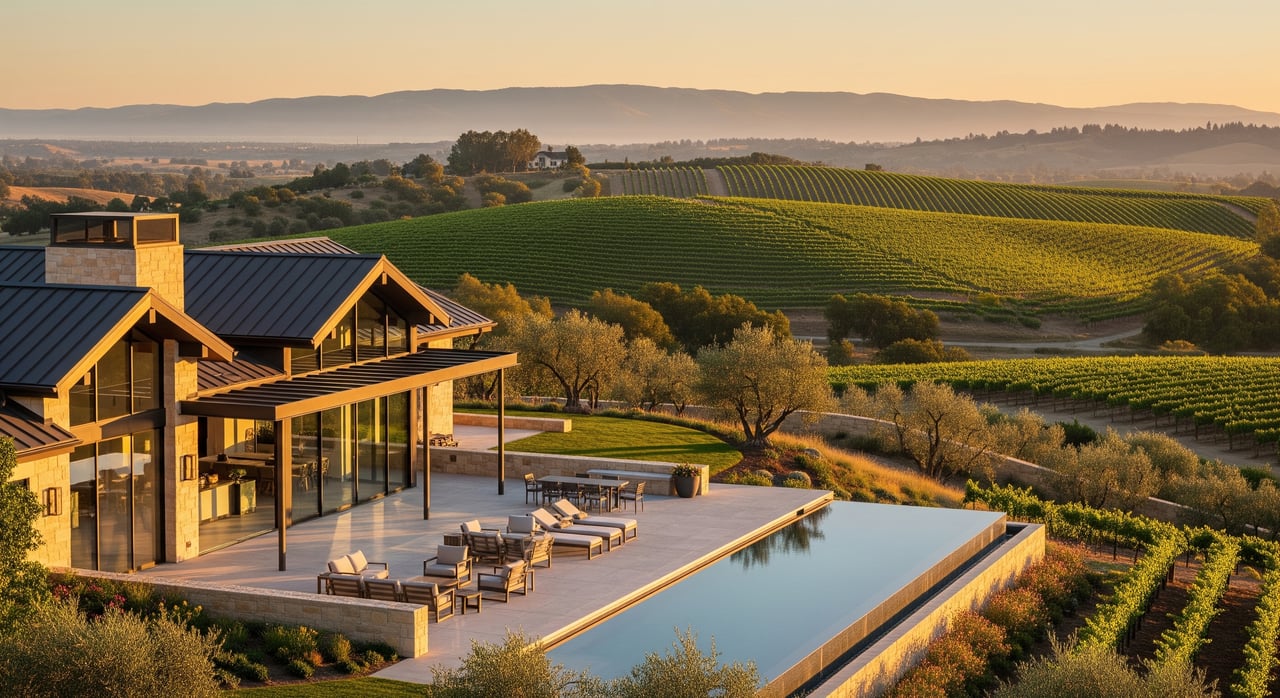
Wish you could wake up to vineyard rows or a ridge-top sunrise without giving up East Bay convenience? If you are dreaming about acreage, privacy, and views in Livermore, you are not alone. The valley’s wine-country identity, rolling hills, and mix of city and county parcels create rare opportunities for estate living. In this guide, you will learn where to look, what tradeoffs to expect, and how to buy with confidence.
Let’s dive in.
Where Livermore delivers wine-country living
Livermore sits at the crossroads of wine country and the greater Bay Area. You get quick access to I-580 and regional corridors, with limited ACE rail service and a planned Valley Link rail project that aims to improve east-west connections. Inside city limits, lots skew suburban. The largest parcels and most flexible agricultural options are usually on the outskirts or in unincorporated Alameda County.
Inventory for acreage, vineyard-capable, or view properties is thin compared to standard neighborhoods. When a great parcel hits the market, it draws interest. Preparation and local guidance matter.
Estate zones at a glance
South Livermore vineyard corridor
South Livermore is the heart of the local wine scene. You will find pockets of larger lots, some gated communities, and homes near established wineries. Parcels can range from about half an acre to several acres, with occasional hobby vineyards.
- Lifestyle: Wine-country ambiance, outdoor entertaining, and quick drives to downtown services.
- Pros: Close to tasting rooms and events, often easier access to utilities compared to rural hills.
- Cons: Truly large acreage is less common, and privacy varies by pocket.
Ruby Hill and west foothills
The Ruby Hill area and nearby west or southwest foothills blend upscale amenities with scenic vineyard and valley views. Expect a mix of planned communities and custom homes on rolling terrain.
- Lifestyle: Country-club convenience framed by wine-country scenery.
- Pros: Attractive views, neighborhood amenities, and relatively easy I-580 access.
- Cons: Development can be denser near golf or planned communities, so not every home offers a private, rural feel.
Altamont, North Livermore, and Vasco corridor
Head north and northeast toward the Altamont Pass and the Vasco Road corridor for a more rural setting with sweeping ridge lines and open landscapes. This is where multi-acre estates are most common.
- Lifestyle: Quiet, private, and well suited for horses, hobby farms, or larger vineyard projects.
- Pros: Larger parcels, pronounced ridge and valley views, more distance from neighbors.
- Cons: Longer drives to town services, common reliance on wells and septic, wind exposure, and more wildfire and stormwater considerations.
East and southeast foothills
Scattered rural pockets to the east and southeast feature oak-studded hills and small farm uses. Parcels often run from one to ten acres or more.
- Lifestyle: Agrarian and low key, with space for hobby vines or small agricultural activity where permitted.
- Pros and cons: Similar to other rural zones, you trade privacy and views for longer commutes and potential infrastructure limits.
Unincorporated county estates
Just outside city limits, unincorporated Alameda County parcels often deliver the largest acreage and the broadest agricultural flexibility. These properties are governed by county, not city, rules.
- Lifestyle: True rural living with room for equestrian facilities or private vineyards, subject to county permits.
- Pros: Larger lot sizes and more agricultural uses possible.
- Cons: Different permitting processes, frequent use of septic and well systems, and varied road maintenance responsibilities.
What to consider before you buy
Jurisdiction and zoning
Whether a parcel sits inside the City of Livermore or in unincorporated Alameda County determines its rules. Zoning drives what you can build and how you can use the land. Agricultural or estate residential zones may allow vineyards, horses, and accessory structures. Commercial wineries or tasting rooms require additional permits and approvals.
Water and utilities
Rural estates often rely on private wells for water and septic systems for wastewater. Municipal water and sewer are not guaranteed outside developed areas. Power extensions and high-speed internet may require extra planning and cost.
- Tip: Verify well capacity and water rights early. Ask for septic permits and past maintenance records.
Vineyard feasibility
Great views do not always mean great vines. Vineyard success depends on soils, drainage, slope, sun exposure, and frost risk. A small hobby planting is typically simpler to establish than a commercial operation, but both require irrigation, trellising, and ongoing care.
- Tip: Consider a professional soil test and consult with a viticulture advisor before you commit.
Wildfire readiness
Hillsides and grasslands face seasonal wildfire risk. Defensible space, vegetation management, and ember-resistant features are important, and insurance costs can reflect local hazard levels.
- Tip: Confirm insurability and expected premiums during your contingency period.
Geotechnical and access
Hillside development may require geotechnical studies for foundations and slope stability. Rural parcels can see heavier stormwater runoff, and private driveways or roads may need ongoing maintenance.
- Tip: Review road easements and maintenance agreements. Budget for upgrades where needed.
Taxes and assessments
Estate properties carry higher assessed values, and some communities include special assessments or HOA fees. Certain agricultural uses may qualify for specific tax programs where applicable.
- Tip: Ask your agent and title team to review tax status, assessments, and any applicable agricultural programs.
Insurance and financing
Lenders and insurers can apply stricter requirements for rural homes, especially where wildfire risk, road access, or distance from services is a factor. Commercial agricultural plans can add complexity.
- Tip: Discuss financing options early, especially if you plan any agricultural or commercial uses.
Environmental factors
Oak woodlands, streams, and protected species can trigger setbacks and limit development locations. Some parcels include conservation easements that restrict future improvements.
- Tip: Pull title reports, check for easements, and engage planning officials to understand constraints.
How to search with confidence
Smart due diligence checklist
Use this checklist to stay organized and reduce surprises.
- Jurisdiction: City limits or unincorporated county.
- Parcel basics: Size, legal description, and zoning, including hillside, agricultural, or fire overlays.
- Water: Municipal connection, private well, or water district. Obtain well logs or connection records.
- Sewer: City sewer or septic. Get septic permits, capacity, and maintenance records.
- Power and internet: Service capacity and distance to main lines. Confirm high-speed options.
- Site suitability: Recent soil report and geotechnical report, especially for new construction.
- Existing vines: Age, varieties, rootstock, irrigation method, and condition.
- Access: Road easements and maintenance agreements. Evaluate driveways for grade and all-weather use.
- Permits: Building history, any unpermitted structures, and allowable uses with city or county planning.
- Fire readiness: Defensible-space requirements and any mitigation measures on site.
- Environmental: Conservation easements, stream setbacks, protected resources.
- Financial: Property tax status, assessments, and any applicable agricultural programs.
- Risk and coverage: Insurance availability and recent premiums for similar nearby parcels.
- Lending: Any lender restrictions tied to rural infrastructure or agricultural activity.
Specialists to engage early
Complex properties benefit from a coordinated team. Consider engaging these specialists early in your search:
- Local real estate agent experienced in Livermore acreage and vineyard properties.
- Viticulture consultant or advisor for soils, slope, and irrigation planning.
- Geotechnical engineer and septic designer for hillside or on-site systems.
- Title officer familiar with rural easements and private road agreements.
- Land use attorney if you are considering a commercial winery or major changes.
Timing and market realities
Acreage and view properties are niche and do not hit the market frequently. Be ready to move when the right one appears. Clarify your must-haves versus nice-to-haves, line up financing, and gather your due diligence team so you can act quickly and confidently.
Putting it all together
If your wish list includes vines, privacy, and views with East Bay access, Livermore offers a compelling mix of options. South Livermore delivers the classic wine-country vibe close to town. Ruby Hill and the west foothills blend upscale amenities with scenery. The Altamont and Vasco corridor, plus east and southeast pockets, open doors to true rural living with larger acreage. Unincorporated county parcels often provide the most flexibility for agricultural uses.
Choosing the right area comes down to how you want to live day to day, the level of privacy you want, and your comfort with rural systems like wells and septic. With clear goals and a thoughtful plan, you can secure a property that fits your vision and performs well over time.
Ready to explore the right vineyards-and-views fit for you? For discreet, white-glove guidance from a team that specializes in acreage, ranches, and estates, connect with The Kristy Peixoto Team.
FAQs
Where to find multi-acre parcels near Livermore
- The northern and eastern fringes toward the Altamont Pass and Vasco Road, along with unincorporated Alameda County next to Livermore, are the most likely areas for 5-plus acre properties.
Planting a vineyard on a residential parcel in Livermore
- Small private or hobby vineyards are commonly allowed in appropriate zones, but commercial wineries or tasting rooms require county approvals and state licensing.
Water and sewer for rural estates around Livermore
- Many rural parcels rely on private wells and septic systems; properties close to developed areas may have municipal connections, which should be confirmed during due diligence.
Extra time and costs for hillside building near Livermore
- Expect additional costs and timelines for geotechnical studies, grading, on-site systems, driveway improvements, and any fire or environmental mitigation requirements.
Whether Livermore-area views are protected from future development
- Views are not guaranteed; unless a parcel is covered by a specific easement, adjacent properties can develop within zoning limits, so evaluate surrounding parcels and ownership during your review.