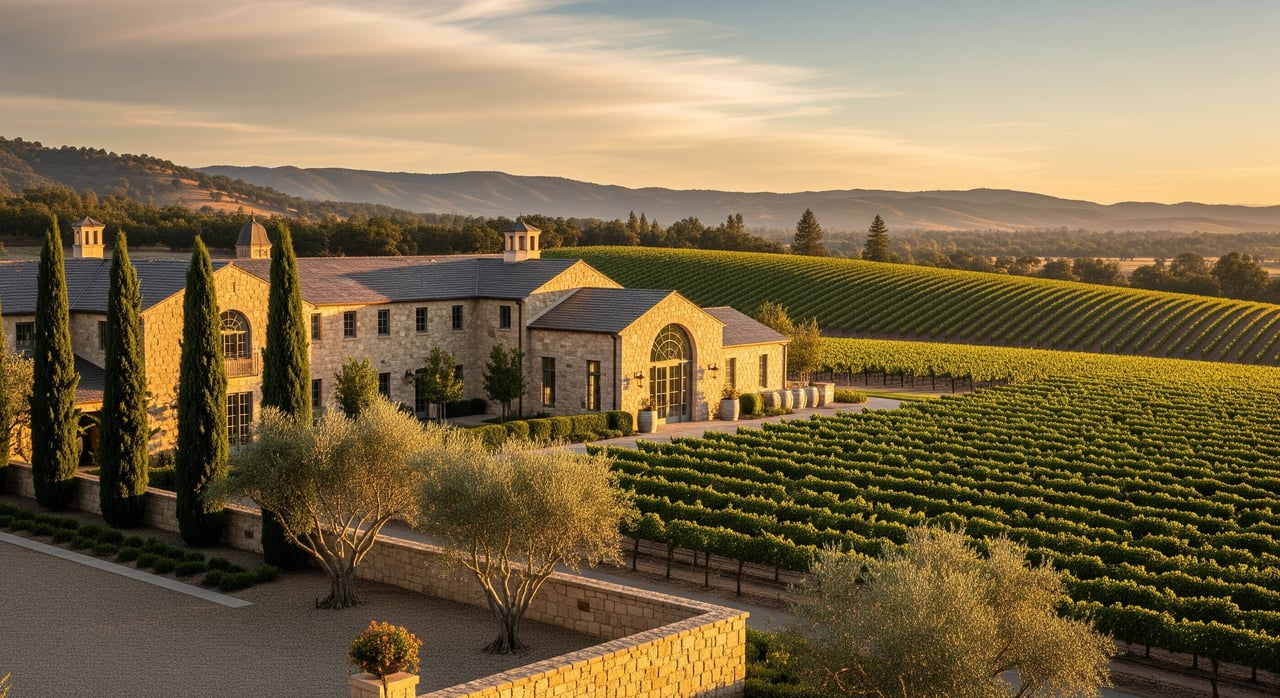
Thinking about selling a vineyard estate in Livermore and not sure how to set the right price or reach the right buyers? You’re not alone. Vineyard properties are specialty assets with layers of value that go far beyond a house and acreage. In this guide, you’ll see exactly how we evaluate vineyard estates in Livermore and how we market them to qualified buyers who understand the land, the vines, and the permits. Let’s dive in.
Understanding vineyard value
Vineyard estates in Livermore live within the Livermore Valley American Viticultural Area. The AVA designation, Mediterranean climate with warm days and cooling breezes, and the region’s wine history shape demand. Your buyer pool usually includes independent winegrowers, boutique or custom-crush wineries, lifestyle buyers who value a vigneron experience, and investors seeking agricultural income.
Because these buyers value different things, we look at the total picture. We consider planted versus total acres, vine age and varietals, existing winery infrastructure, water source and reliability, permit status for production and tastings, road access, and wildfire or smoke risk. Positioning your property correctly starts with understanding which buyer profile it fits best.
Our pricing framework
We blend three time-tested valuation approaches. The weight we give each one depends on your property’s use, the documentation you provide, and the buyer type most likely to close at a premium.
Comparable sales approach
We analyze recent sales in Livermore and the broader Tri-Valley area and adjust for what matters most to vineyard buyers. Key adjustments include planted acres, vine age and health, varietal mix, irrigation and frost protection, presence and condition of winery facilities, permit status, and proximity to roads and tasting areas. We look at price per acre, price per planted acre, and when available, price per ton of recent production.
Income approach for working vineyards
If the vineyard has production history or grape contracts, we build an income model. We start with gross revenue by calculating acres planted, tons per acre, and typical price per ton by varietal. Then we estimate net operating income by subtracting operating expenses like canopy management, pest control, harvest labor, irrigation, property taxes, and insurance. We do not include debt service. Finally, we apply a market-appropriate capitalization rate to estimate value. Properties with steady yields, secure water, and valid permits often support stronger income valuations.
Cost approach for newer plantings or upgrades
For younger vineyards or estates with newer infrastructure, we consider replacement cost. We model the cost to replant vines and replace trellis and irrigation, and we account for the investment in winery buildings and equipment. This approach helps when comparable data is limited or when recent capital improvements are a key part of your value story.
Essential vineyard metrics
Transparent, credible data is the backbone of a strong asking price. We gather and present the following details so buyers can underwrite with confidence:
- Acres total and acres planted, with a simple block map and varietal layout.
- Vine age, spacing, trellis type, and rootstock, plus a summary of vine health.
- Production history: average tons per acre by block and variability by year.
- Average price per ton historically received, if available and shareable.
- Irrigation type and water source, including well details and storage.
- Frost protection measures and any known pest or disease history.
- Infrastructure inventory: crush pad, tanks, barrel rooms, cold storage, lab, and bottling equipment.
- Permit status for production and tasting, plus any agritourism or accessory-use approvals.
- Financial records, grape contracts, custom-crush agreements, and distribution notes.
When you supply 3 to 5 years of production and expense records, buyers move faster and negotiate with more certainty. That tends to support stronger offers.
Permits, water, and risks
Vineyard estates are shaped by regulatory and environmental realities. We help you confirm and present the details that matter most to sophisticated buyers.
- Zoning and use permits: We summarize allowed uses such as commercial production, tasting rooms, agritourism, accessory structures, and any subdivision potential. Where tastings or production occur, buyers often need to understand conditional use permits and any required reviews.
- Water rights and wells: Water reliability is a top concern. We compile well logs, pump tests, water-quality tests, and any water-sharing agreements. We also review local drought restrictions and historic availability.
- Property tax and agricultural assessment: We confirm assessed value, local assessments, and whether any agricultural or conservation programs apply. If a conservation contract exists, we clarify how it impacts use and transfer.
- Environmental and hazard checks: We disclose wildfire risk and defensible-space compliance, any known smoke-taint history, pesticide records, organic status, and any conservation easements.
- Winery and alcohol permits: If there is active production or a tasting room, we note current federal and state compliance and the fact that certain licenses or permits may not transfer automatically to a new owner.
Clear documentation on these items reduces friction, builds buyer trust, and protects your pricing power.
Marketing that reaches buyers
The right buyers are out there, but you need precise positioning, beautiful presentation, and targeted channels built for vineyard assets. Our strategy is consultative, polished, and data forward.
- Listing preparation: We assemble a seller packet with parcel maps, zoning summaries, water and well reports, soil context, irrigation details, 3 to 5 years of production records, equipment lists, permit documents, and environmental disclosures. We create a concise one-page executive summary and a detailed brochure with maps and photos.
- Visual storytelling: We commission high-resolution photography, drone imagery that shows block layout and access, and a short video tour to highlight vineyard health, site aspect, and infrastructure.
- Messaging: We tailor the narrative to the most likely buyer. For income buyers, we highlight yields, grape pricing, and contracts. For turnkey winery users, we focus on permit status, production capacity, and distribution channels. For lifestyle buyers, we emphasize terroir, AVA credibility, and Livermore’s proximity to Bay Area amenities.
- Channels and outreach: Beyond MLS distribution with accurate agricultural keywords, we leverage specialist land and agricultural platforms and wine-industry networks. We also engage select broker and trade circles, and we schedule private tours and targeted showings during optimal times in the vineyard calendar.
The result is curated exposure to people who recognize value and can perform.
Pricing strategy and terms
We recommend an asking strategy that reflects your likely buyer pool and market depth.
- Market-driven ask: If you offer a working vineyard with solid documentation, we set a price that aligns with both income potential and local comparable sales.
- Staged pricing: Where comps are thin, we may test the market and gather qualified feedback before calibrating.
- Flexibility that widens the pool: Offer options such as seller financing, lease-back of operations, or a split of planted versus residential parcels if allowed by zoning and permits. These terms can unlock value for different buyer types.
The goal is to meet the market with confidence while creating room for the right buyer to step forward.
Seller prep checklist
Well-prepared sellers control the narrative and shorten timelines. Here is what we help you assemble before launch:
- Parcel and title: Deed, APN, survey, easements, and any covenants or restrictions.
- Zoning and permits: Conditional use permits, tasting approvals, building permits, and environmental studies.
- Water and irrigation: Well logs, pump tests, system maps, water-quality tests, and any agreements.
- Production and financials: 3 to 5 years of yields, price per ton, sales reports, expense ledgers, grape contracts, and custom-crush agreements.
- Infrastructure inventory: Equipment lists, tank and barrel counts with condition notes, and building reports.
- Environmental and hazard: Wildfire mitigation work, any past claims, pesticide application records, and required disclosures.
- Tax and assessment: Property tax bills, agricultural assessment participation, and any liens.
This package supports your asking price and gives serious buyers the information they need to move ahead.
Why Livermore attracts buyers
Livermore’s AVA status, microclimate, and proximity to Bay Area population centers make it a compelling choice for varied buyer types. Independent growers value the opportunity to produce within a recognized AVA. Boutique wineries see potential in tasting experiences tied to the region’s history. Lifestyle buyers appreciate the vigneron dream with access to regional amenities. When your vineyard is well documented and presented, these strengths translate into stronger offers.
How we steward your sale
You can expect white-glove guidance from preparation through closing. We coordinate with local and state resources to confirm facts, including assessor and planning offices, winegrower associations, soil and agricultural references, and water authorities. We position your estate to appeal to the buyer profile most likely to deliver the best net. Our focus is discretion, preparation, and a marketing plan built for the property you own, not a one-size-fits-all listing.
If you’re considering selling, let’s talk about timing, documentation, and the pricing path that fits your goals. You will walk away with a clear plan and a confident number.
Ready to get started? Contact The Kristy Peixoto Team to Schedule Your White-Glove Consultation.
FAQs
How are Livermore vineyard estates priced?
- We blend comparable sales, income potential for working vineyards, and replacement cost for newer plantings or infrastructure, then tailor weighting to your buyer pool.
What documents do buyers want for a vineyard sale?
- Buyers expect 3 to 5 years of yields and expenses, water and well reports, permits, equipment lists, parcel maps, and environmental disclosures to underwrite with confidence.
Do winery and tasting room permits transfer to a new owner?
- Certain licenses and permits may not transfer automatically. We review current approvals and outline steps a buyer may need to take to maintain operations.
How important is water when valuing a vineyard estate?
- Very important. Reliable well data, storage capacity, irrigation maps, and any water-sharing agreements directly impact perceived risk and pricing.
What marketing reaches serious vineyard buyers in Livermore?
- MLS distribution plus targeted outreach to wine-industry networks, specialist land platforms, broker circles, and private tours with comprehensive offering materials.
Can flexible terms improve my sale outcome?
- Yes. Options like seller financing, lease-back of operations, or splitting planted and residential components where allowed can widen the buyer pool and support price.