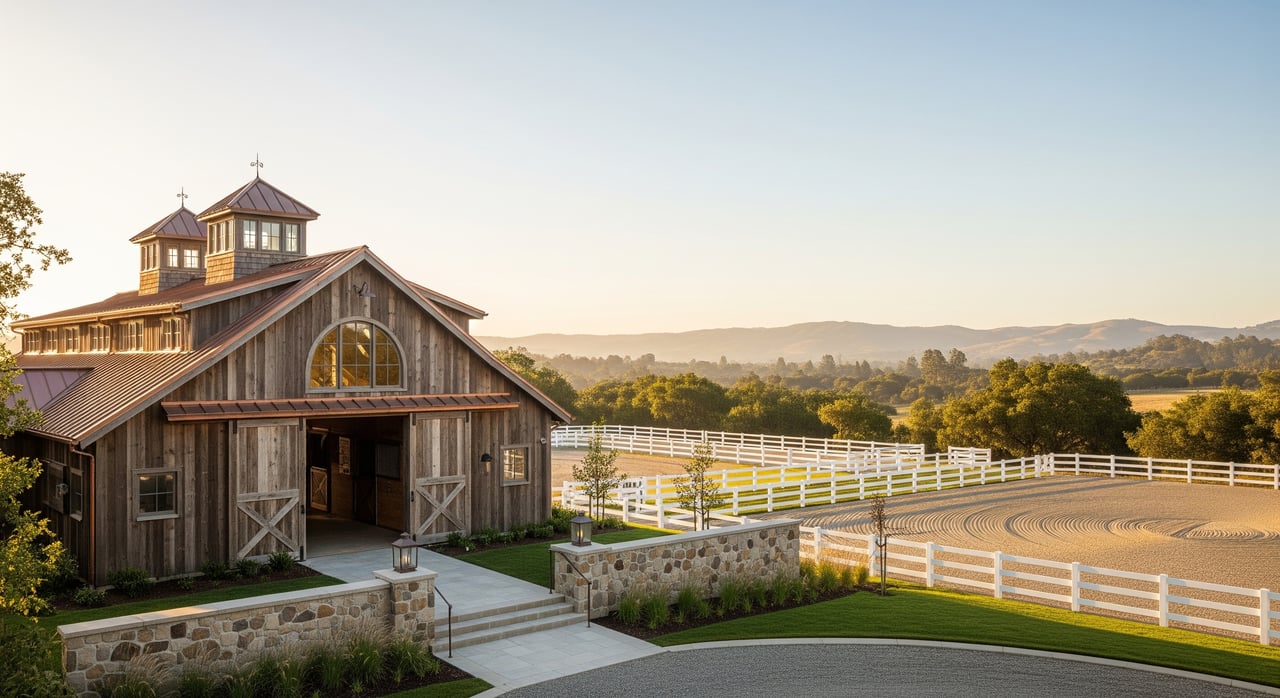
Picture this: you tack up at sunrise, ride a shaded ridgeline trail before lunch, then head home to a quiet barn that sits minutes from everyday amenities. If you want an equestrian lifestyle without giving up East Bay access, Crow Canyon can fit beautifully. In this guide, you will learn how the area lives through the seasons, what to look for in horse-ready properties, how trails and zoning work, and the steps to buy or sell with confidence. Let’s dive in.
Why Crow Canyon appeals to riders
Crow Canyon sits in the Contra Costa foothills where a Mediterranean climate shapes daily life. Summers are dry and warm, so pastures slow down and most owners plan for more hay. Winters bring rain that can mean muddy turnouts and softer trails. Many properties feel country, yet you are within commuting distance of Oakland, Hayward, and Berkeley.
Horse properties here are a niche. Parcels often range from about one to ten acres, with barns, arenas, and fencing that vary widely in age and condition. Inventory is limited and buyers are specialized. If you sell, highlight every functional feature. If you buy, plan for higher maintenance and insurance compared to standard residential homes.
A day in the life
On a typical morning, you feed, check waterers, and turn out while the air is cool. By mid-morning, you trailer a short drive to a regional park staging area or head out from a nearby trail connection if your neighborhood allows access. Afternoon is for rinsing off, dragging the arena, and a quick fence walk. Evenings are quiet, with sunset over the hills and a short list for tomorrow: hay delivery, farrier visits, and a weekend trail ride.
Trails and access nearby
Trail access is a driving force for Crow Canyon buyers. Many East Bay regional parks allow horses on designated multi-use trails, though rules vary by location. Start with the official resources and confirm routes before you go. The East Bay Regional Park District posts trail maps and rules. For state parks, the California Department of Parks and Recreation provides park-specific guidance, including equestrian access at places like Mount Diablo State Park.
When you evaluate a property, look for proximity to staging areas, private trail easements, or community paths that connect to larger systems. These features add lifestyle value, and they often matter as much as the barn.
Must-have property features
Barns and arenas
Buyers typically look for stalls with good ventilation, a weather-tight roof, a secure tack room, and hay storage that keeps bales dry and off the ground. Arena footing should drain well and hold depth. Check base, slope, compaction, and water management at the edges.
Fencing and water
Fencing should be horse-safe and consistent around the perimeter and in turnouts. Avoid hazardous wire. Confirm plumbing to troughs, a reliable water source, and irrigation capacity if you plan to keep pastures green.
Utilities and systems
If the property uses a well and septic, confirm well yield and septic capacity. Barns with staff areas or frequent guests may require more septic headroom. Verify permits on electrical upgrades, barn structures, and any arena lighting.
Fire safety basics
The East Bay hills carry elevated wildfire risk. Maintain defensible space, keep equipment spark-safe, and store hay away from ignition sources. For current guidance, review CAL FIRE wildfire and defensible space resources and follow your local fire district’s requirements on storage, access, and evacuation planning.
Manure and runoff
Plan for contained storage and regular removal or composting. Stormwater controls and arena drainage help prevent erosion and runoff issues. Many jurisdictions require best-management practices to protect water quality.
Liability and insurance
Standard homeowner policies often do not cover equine activities. If guests ride or if you plan lessons or boarding, explore specialized equine liability coverage. Ask your insurer early so you understand cost and availability.
Buyer due diligence checklist
Use this list to focus your inspections and questions.
- Zoning and animal allowances for the parcel, plus any CC&Rs or deed restrictions
- Trail easements and access, including private rights-of-way and nearby staging areas
- Barn and arena condition, including roof, ventilation, electrical, drainage, footing depth
- Fencing quality and safety, gates, and overall containment
- Water supply, well capacity test results, plumbing to troughs, irrigation setup
- Septic system capacity and service records
- Permit history for barns, sheds, arenas, lighting, and recent upgrades
- Manure management plan and evidence of proper containment or composting
- Pasture condition, weed presence, and stocking density practices
- Proximity to veterinarians, farriers, and reliable hay and feed suppliers
- Fire defensible space, hay storage practices, and local fire requirements
- Insurance availability and equine liability options
- Neighborhood considerations such as traffic patterns and trail etiquette
- Title review, including any boarding agreements or leases that transfer
Seller prep to maximize value
A focused pre-list strategy can lift buyer confidence and your net proceeds.
- Repair fencing, gates, and any barn or shed roofing issues
- Service and level arenas, refresh footing if needed, tidy wash racks
- Declutter tack and feed areas, and store hay in safe, compliant locations
- Provide a property packet with permits, well and septic reports, fencing and pasture maps, maintenance records, and any boarding agreements
- Showcase trail access and nearby parks in marketing materials
- Confirm code compliance and be ready to share documentation
Zoning and permits 101
Zoning controls whether horses are allowed, how many you can keep, where structures can sit, and whether commercial activity is permitted. There is no universal horses-per-acre rule. Always verify parcel specifics with the Contra Costa County Planning and Development Department or the relevant city planning office. Confirm animal units, setbacks for barns and arenas, and permits for existing structures before you buy or list.
Boarding and income potential
Some owners offset costs by taking on a few boarders or offering lessons. This can be attractive, but it brings added requirements. Zoning, parking, waste management, and insurance are often stricter for commercial activity. Confirm what is allowed for your parcel, then model the costs of staffing, manure removal, and liability coverage before you proceed.
Seasonal realities and costs
Plan your annual budget around the area’s climate. Summer drought often means more hay purchases. Winter can bring mud and arena maintenance. Core costs typically include feed and bedding, veterinary and farrier care, fence and barn upkeep, manure management, arena grooming and footing, water for livestock and irrigation, and insurance. A realistic line-item plan helps you compare properties and avoid surprises.
Work with a local equestrian-savvy team
Horse properties are not one-size-fits-all. You want a guide who understands barns, wells, drainage, and permits, and who can position your acreage to the right buyers. Our boutique team pairs deep East Bay experience with white-glove service so your sale or purchase feels thoughtful and well managed. If you are considering a move in or around Crow Canyon, reach out to The Kristy Peixoto Team to plan your next step.
FAQs
How many horses can I keep on a Crow Canyon property?
- It depends on parcel zoning and local animal ordinances. There is no single horses-per-acre rule, so confirm with county or city planning for your specific address.
Do East Bay parks allow horseback riding?
- Many regional and state parks allow horses on designated trails. Check the East Bay Regional Park District and the California Department of Parks and Recreation for current maps and rules.
What ongoing costs should I expect with a horse property?
- Typical costs include hay and feed, vet and farrier care, fencing and barn maintenance, arena upkeep and footing, manure removal or composting, water, and higher insurance premiums.
What wildfire steps should horse owners take in the East Bay?
- Maintain defensible space, store hay away from ignition sources, keep trailers ready, and plan evacuation routes. Review guidance from CAL FIRE and follow your local fire district’s requirements.
Can I run a boarding or training business from home?
- Possibly. Commercial activity often requires specific zoning, adequate parking, septic capacity, and waste controls. Verify permitted uses with planning and confirm insurance coverage before you start.