If you want more breathing room without giving up day-to-day convenience, Castro Valley’s foothills deserve a closer look. Many buyers are drawn to this part of Alameda County for its open feel, scenic backdrop, and easy access to outdoor recreation, but they also want to know whether that lifestyle works in real life. This guide walks you through what foothill living can look like here, why the area feels so connected to trails and views, and how it stays practical for everyday routines. Let’s dive in.
What Foothill Living Means Here
Castro Valley is an unincorporated Alameda County community, so county planning shapes much of the land-use framework. County documents emphasize preserving the area’s small-town and rural character while also protecting hillsides, canyons, creeks, and views from streets, parks, trails, and community facilities.
That planning backdrop helps explain why parts of the foothills feel different from a more typical suburban setting. In some areas, you will notice larger lots, more separation between homes, and a stronger connection to the surrounding landscape.
Recent Alameda County materials also describe Rural Residential areas as places intended to retain opportunities for rural living with very low-density, one-family detached housing on lots greater than 20,000 square feet. Those same materials mention secondary uses such as crops, orchards, gardens, and limited animal keeping.
For buyers, that does not mean every foothill property is identical. It does mean there is a clear land-use basis for why some homes in the Castro Valley foothills offer more outdoor room and more flexibility than a standard neighborhood lot.
Why Space Feels Different
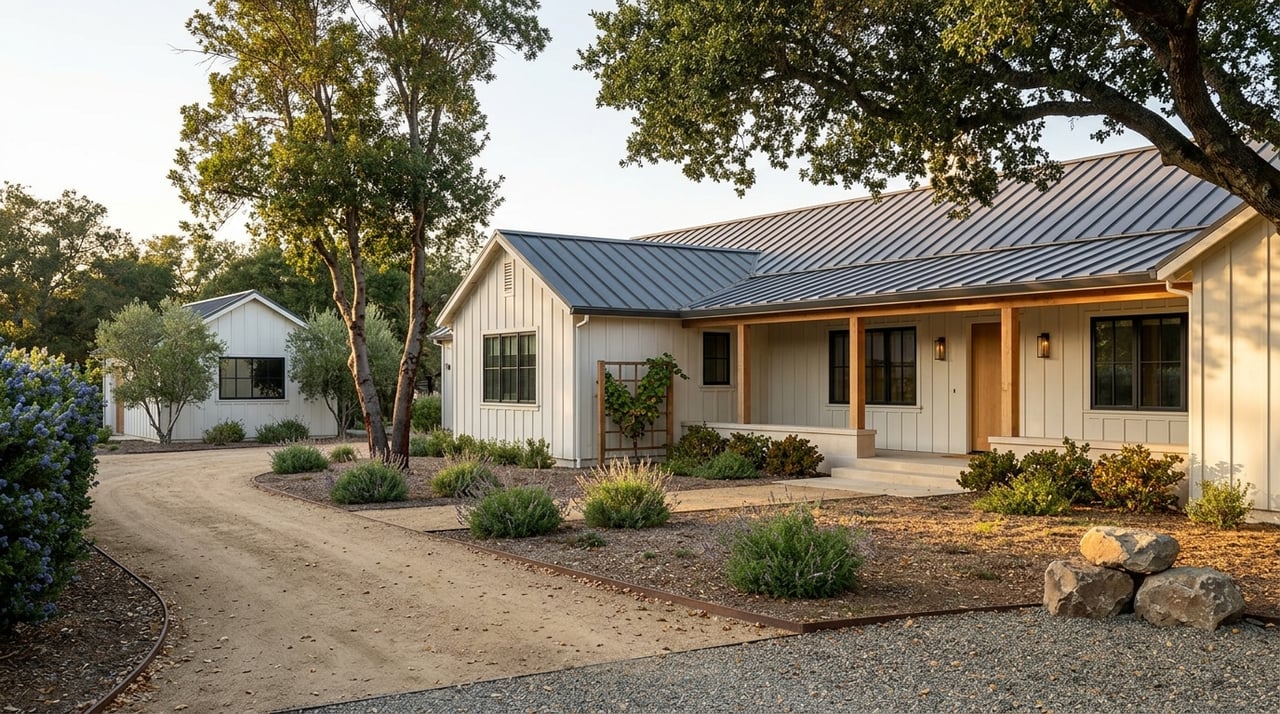
One of the biggest lifestyle draws in the foothills is the sense of space. That can show up as larger yards, more room between neighboring homes, or extra land for gardens, equipment, and hobby areas.
If you have been searching for a property that supports a workshop, home office, outdoor entertaining area, or more practical storage, this setting may feel like a natural fit. County land-use patterns support that more flexible feel, especially in areas shaped by low-density rural residential planning.
This is also part of what makes foothill properties stand out in the East Bay. You are not just buying square footage inside the home. You are often buying a different relationship to the land around it.
Trails and Parks Shape Daily Life
For many buyers, the outdoor access is not just a bonus. It is part of the reason Castro Valley foothill living feels so appealing in the first place.
Anthony Chabot Regional Park
Anthony Chabot Regional Park is one of the area’s strongest lifestyle anchors. According to East Bay Regional Park District, the park covers 3,304 acres and offers 70 miles of hiking and riding trails, along with a public campground.
The park also includes the East Bay Skyline National Trail and a six-mile connection to the Chabot-to-Garin Regional Trail toward Cull Canyon. Official access points are on Redwood Road, and the park district notes that the park can be reached from I-580 in Castro Valley.
For you, that means a major trail system is woven into the local landscape rather than sitting far outside your weekend routine. Whether you enjoy hiking, trail riding, or simply having open space nearby, Anthony Chabot adds real value to the foothill lifestyle.
Lake Chabot Regional Park
Lake Chabot Regional Park expands those options even more. The park offers more than 20 miles of hiking trails and connects to the 70 trail miles in adjacent Anthony Chabot.
It also includes paved West Shore and East Shore trails, plus a Lake Chabot bicycle loop. East Bay Regional Park District notes that the park provides picnic areas, fishing, and boating, while swimming is not permitted because the reservoir remains a standby emergency water supply.
For buyers who want variety, this matters. You can mix scenic walks, paved trail access, and water-oriented recreation into your week without driving far from home.
Cull Canyon and Don Castro
Cull Canyon Regional Recreation Area adds another nearby option. East Bay Regional Park District describes it as a Castro Valley swim complex just a short drive north from I-580, and it also sits on the Chabot-to-Garin Regional Trail.
Don Castro Regional Recreation Area, located on the boundary between Hayward and Castro Valley, brings even more recreation into the picture. The park district describes it as a 101-acre urban oasis with access to the Bay Area Ridge Trail, the Chabot-to-Garin Trail, and more than five miles of trails in Five Canyons Open Space.
Taken together, these parks support a lifestyle that can include hiking, riding, biking, picnics, fishing, and swimming close to home. That is a big reason the area feels outdoorsy without feeling remote.
Views Are Part of the Appeal
Space and trails are important, but the visual setting is what often makes foothill living memorable. Alameda County planning and environmental review documents place real emphasis on protecting hillsides, creek corridors, canyons, and views.
That matters because it helps preserve the scenic quality that draws many buyers to Castro Valley in the first place. In practical terms, you may notice winding roads, hillside backdrops, and sightlines that feel more open than in denser parts of the East Bay.
This is one of those lifestyle features that shapes how a property feels every day. A view from a deck, a broader outlook from a backyard, or simply the presence of surrounding hills can make a home feel calmer and more private.
Rural Feel, Not Remote Living
A common question is whether foothill living means sacrificing convenience. In Castro Valley, the answer is often no.
Castro Valley has its own BART station at 3301 Norbridge Drive on the Dublin/Pleasanton to Daly City line. BART also notes that the station is served by AC Transit and includes parking.
That gives you a transit option that keeps the wider Bay Area within reach. If your routine includes commuting, occasional office days, or trips across the region, that access matters.
Road connectivity also supports everyday convenience. Directions from East Bay Regional Park District to Anthony Chabot and Lake Chabot reference direct access from I-580 via Redwood Road, Strobridge Avenue, Castro Valley Boulevard, Grove Way, and related local connectors.
In other words, the foothill setting can feel scenic and tucked away while still staying connected to the places you need to go. That balance is a major part of the area’s appeal.
What Buyers Often Gain
When you look at foothill properties in Castro Valley, the value is often about more than one feature. It is the combination that stands out.
Here is what many buyers are really looking for:
- More lot space and a lower-density feel
- Better access to trails, parks, and outdoor recreation
- A scenic foothill setting with hills, canyons, and views
- Flexibility for gardens, hobby areas, or outdoor use
- Access to BART, I-580, and local connectors for daily routines
That mix can be hard to find in one place. It is why Castro Valley continues to attract buyers who want land, lifestyle, and convenience in the same search.
Is Castro Valley Foothill Living Right for You?
If your ideal home includes room to spread out, direct access to nature, and a more relaxed visual setting, the foothills are worth serious consideration. This part of Castro Valley offers a lifestyle shaped by county planning, preserved open-space character, and a strong network of regional parks.
It is also a market where property differences matter. Lot size, access, slope, layout, and proximity to trail systems can all influence how a home lives day to day.
That is where local guidance becomes especially valuable. When you are comparing homes with land, views, or more unique site characteristics, you want advice that goes beyond a standard suburban search.
If you are exploring Castro Valley foothill properties or thinking about selling a home with space, trails, and views nearby, The Kristy Peixoto Team offers the local insight and white-glove guidance that unique properties deserve.
FAQs
What is Castro Valley foothill living like for homebuyers?
- Castro Valley foothill living often means a more open setting with hillsides, canyons, creek corridors, scenic views, and in some areas larger lots shaped by Alameda County’s low-density planning.
Are there trails and parks near Castro Valley foothill homes?
- Yes. Nearby outdoor options include Anthony Chabot Regional Park, Lake Chabot Regional Park, Cull Canyon Regional Recreation Area, and Don Castro Regional Recreation Area, with access to extensive hiking, riding, biking, fishing, picnic, and swim amenities.
Is Castro Valley foothill living practical for commuters?
- Yes. Castro Valley has a BART station on Norbridge Drive served by AC Transit with parking, and the area also has access to I-580 and local connectors such as Redwood Road and Castro Valley Boulevard.
Do some Castro Valley foothill properties have larger lots?
- Yes. Alameda County’s Rural Residential designation describes very low-density one-family detached housing on lots greater than 20,000 square feet, which helps explain why some foothill homes feel more spacious and flexible.
Why does Castro Valley feel outdoorsy without feeling remote?
- Castro Valley is directly connected to major regional parks and trail systems, so you can reach hiking, riding, biking, picnic, and water recreation close to home while still staying connected to transit and major roads.