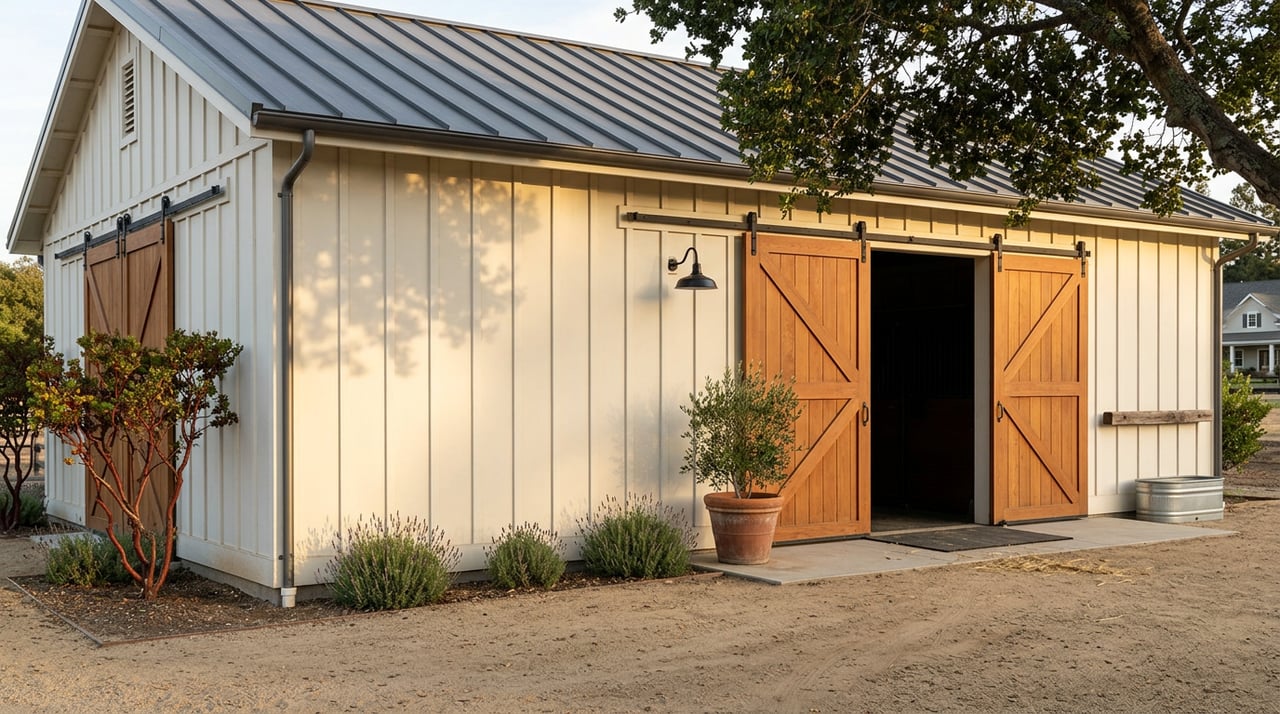
If your perfect day includes a morning arena school and an afternoon loop through oak-studded hills, Castro Valley makes that lifestyle remarkably close at hand. The Crow Canyon and Cull Canyon corridors pack in a cluster of barns, lesson programs and easy trail access, so you can fit real riding into a busy week. In this guide, you’ll find nearby boarding options, where to ride, how local zoning works if you want horses at home, and a simple checklist to move in with confidence. Let’s dive in.
Why Castro Valley works for riders
Castro Valley’s horse scene centers on Crow Canyon Road and Cull Canyon Road. Within minutes of town you’ll find multiple barns with arenas, turnouts and training programs, along with lesson-focused stables that welcome newer riders. This historic clustering keeps your drive short and your time in the saddle long.
Public lands round out the picture. Adjacent East Bay Regional Park District trails link you to long ridable corridors across the Oakland hills toward the Diablo foothills. From local staging areas, you can reach scenic loops in places like Anthony Chabot Regional Park and Lake Chabot. Start your planning with the park’s overview and staging details on the Anthony Chabot page from East Bay Regional Park District.
Waitlists come and go, so flexibility helps. Some riders keep a stall in Castro Valley and trailer to regional parks or clinics on weekends. Others use nearby barns in neighboring valleys for overflow capacity.
Where to board near home
Here are four representative Castro Valley options to start your search. Always confirm current services, prices and availability with the barn.
Shiloh West Equestrian Center — 10250 Crow Canyon Rd, Castro Valley. A multi-barn facility with several arenas, turnouts and published stall-rate tiers. It is a good example of full-service boarding with programs on site. Visit the Shiloh West facility page for amenities and rate examples.
Canyon Creek Ranch — 8018 Crow Canyon Rd, Castro Valley. A family-run center offering stall boarding, lessons and trailer parking. The site outlines stall counts and optional add-ons like extra hay. See details on the Canyon Creek Ranch site.
Rancho De Los Amigos / RDLA Equestrian — 12350 Cull Canyon Rd, Castro Valley. A private boarding ranch with on-site trails and arenas. Riders seeking a quieter setting close to town appreciate its private trail system. Review features on RDLA’s boarding page.
Apple Creek Farms — 7324 Crow Canyon Rd, Castro Valley. A small ranch with boarding, riding academy programs and community events. It can be a friendly fit for families and lesson riders. Learn more at Apple Creek Farms.
Looking a bit wider, many locals also consider the Concord Mt. Diablo Trail Ride Association. CMDTRA combines boarding, arenas and direct access to Mt. Diablo’s trail network, and it often serves riders who want an alternative to Crow Canyon while staying within a reasonable drive. Explore boarding details on the CMDTRA site.
Base rates and availability change frequently. Several operators publish examples of box-stall and paddock pricing, but you should call or tour to confirm space, feed schedules, turnout frequency and trainer access.
Trails and horse camping
You can ride for an hour or all day without repeating the same view. The EBRPD network around Castro Valley includes Anthony Chabot, Lake Chabot, Las Trampas and connections to the East Bay Skyline Trail. Many trailheads have equestrian staging, and some parks support equestrian-style camping, including group camps and areas like Bort Meadow. Check the specific park page for day-use fees, trailer parking guidance and reservation rules.
Trail etiquette matters on multi-use routes. Horses share these paths with hikers and cyclists. Carry a current map, know which segments allow equestrian use, and follow posted right-of-way guidance. For local designations and etiquette notes, review the Cull Canyon map and brochure from EBRPD.
If you haul in, confirm trailer-friendly lots ahead of time and arrive early on peak weekends. Pack extra water, a manure fork and trash bags, and leave trailheads cleaner than you found them.
A day in the life here
On a weekday, you might swing by your barn after work for a quick arena school under lights, then cool out on a short loop before heading home. Many Crow Canyon barns offer regular feeding, blanketing and turnout services, so you can keep your routine consistent even when your schedule gets busy.
On weekends, riders often meet at nearby staging areas for two-to-three-hour loops with friends. In spring and fall, you can add variety with club rides or a night under the stars at an equestrian-friendly group camp. It is the kind of riding rhythm that rewards living close to your horse.
Community, clinics and clubs
Local clubs make it easy to find ride partners, learn new trailheads and keep skills sharp. The San Ramon Valley Horsemen’s Association hosts clinics, trail rides and camping trips within reach of Castro Valley. Check the SRVHA calendar for dates and sign-ups.
Many Castro Valley barns host dressage, jumping and eventing clinics throughout the year. Ask your prospective barn for its trainer network and event schedule. For volunteer opportunities, trail etiquette updates and seasonal safety tips, connect with the Park District’s equestrian resource pages and concession partners.
Buying horse property in Castro Valley
If you plan to keep horses at home, do your homework early. Castro Valley sits in unincorporated Alameda County, and county rules shape what you can build and how you can use the land for equestrian purposes.
Key items to verify before you write an offer:
- Zoning and Measure D limits. Confirm your parcel’s designation, allowable uses, and barn or arena sizes under Measure D and related planning guidance. The county’s planning documents explain floor area limits for agricultural structures and outline permitting pathways for equestrian facilities.
- CC&Rs and HOA rules. Even if zoning allows horses, private covenants or HOA rules might restrict animals, fencing or structures. Obtain recorded CC&Rs and written confirmation of permitted uses.
- Site infrastructure. Check water supply for drinking and wash-down, manure storage and removal plans, hay storage, ventilation and pest mitigation. Verify septic capacity if relevant and make sure your driveway can safely accommodate a two or three-horse rig.
- Fire and evacuation. Review local defensible-space requirements and community evacuation routes. Alameda County has expanded resources for livestock during emergencies, and you should know the closest temporary housing options before you need them.
Start your due diligence with the county’s Measure D and planning documents. For emergency planning context, see local updates on expanded livestock housing for evacuations.
Services, supplies and support
A strong vendor network supports day-to-day care. Several ambulatory equine veterinarians serve Castro Valley barns, and regional specialty hospitals handle complex cases when needed. Local farriers, bodyworkers and equine dentists make regular barn calls along Crow Canyon and Cull Canyon. For tack and feed, many boarders source bulk hay, supplements and gear from Tri-Valley retailers and schedule deliveries directly to the barn.
Quick move-in checklist
Use this short list to simplify your transition:
- Confirm zoning, Measure D applicability and any required permits in writing.
- Pull recorded CC&Rs and review HOA rules if applicable.
- Drive the approach with your trailer to test turning radius and grade.
- Request the barn’s vendor list for farriers, vets and haulers.
- Inspect fencing, water access, hay storage and manure management.
- Map wildfire routes and nearest temporary livestock shelter points.
Ready to align your home search with your riding goals? Reach out for tailored guidance on horse-friendly properties, staging-area access and barn-by-barn nuances. When you want a seasoned advocate who knows acreage, zoning and lifestyle logistics, connect with The Kristy Peixoto Team. Schedule Your White-Glove Consultation.
FAQs
What makes Castro Valley good for horse owners?
- A dense cluster of barns along Crow Canyon and Cull Canyon keeps commute times short, and adjacent EBRPD parks provide extensive multi-use trails for regular riding.
Where can you trail ride near Castro Valley?
- Riders commonly stage from Anthony Chabot and Lake Chabot for loop rides, with additional options in Las Trampas and other connected EBRPD corridors that form the regional ridable network.
How do boarding prices and availability work locally?
- Several barns publish sample stall tiers and amenities, but rates and waitlists shift with demand. Tour facilities, confirm current pricing, and ask about hay, turnout and trainer access.
What should buyers verify before keeping horses at home?
- Confirm zoning and Measure D limits, check CC&Rs or HOA rules, assess water and manure plans, verify septic and access for trailers, and review wildfire and evacuation plans.
Are there community groups for riders in the area?
- Yes. Local clubs organize trail rides, clinics and camping trips, and they are a great way to meet partners, learn trailheads and stay current on etiquette and safety.