You love the charm of a Niles cottage or a storefront-turned-residence, but you also want to avoid surprise costs. Buying a historic home in Niles can be deeply rewarding if you pair that character with smart due diligence. In this guide, you’ll learn how Fremont’s rules work, which inspections to prioritize, and how to plan upgrades that protect both your budget and your home’s history. Let’s dive in.
Why Niles homes stand out
Niles is Fremont’s original town center at the mouth of Niles Canyon. It holds a proud place in film and rail history, which gives the district its period look and small-town main street feel. You will see Victorian and early 20th century storefronts along with older single-family houses near the core, with mid-century homes in nearby blocks. You can explore the district’s story through the local association’s overview of Niles history and identity.
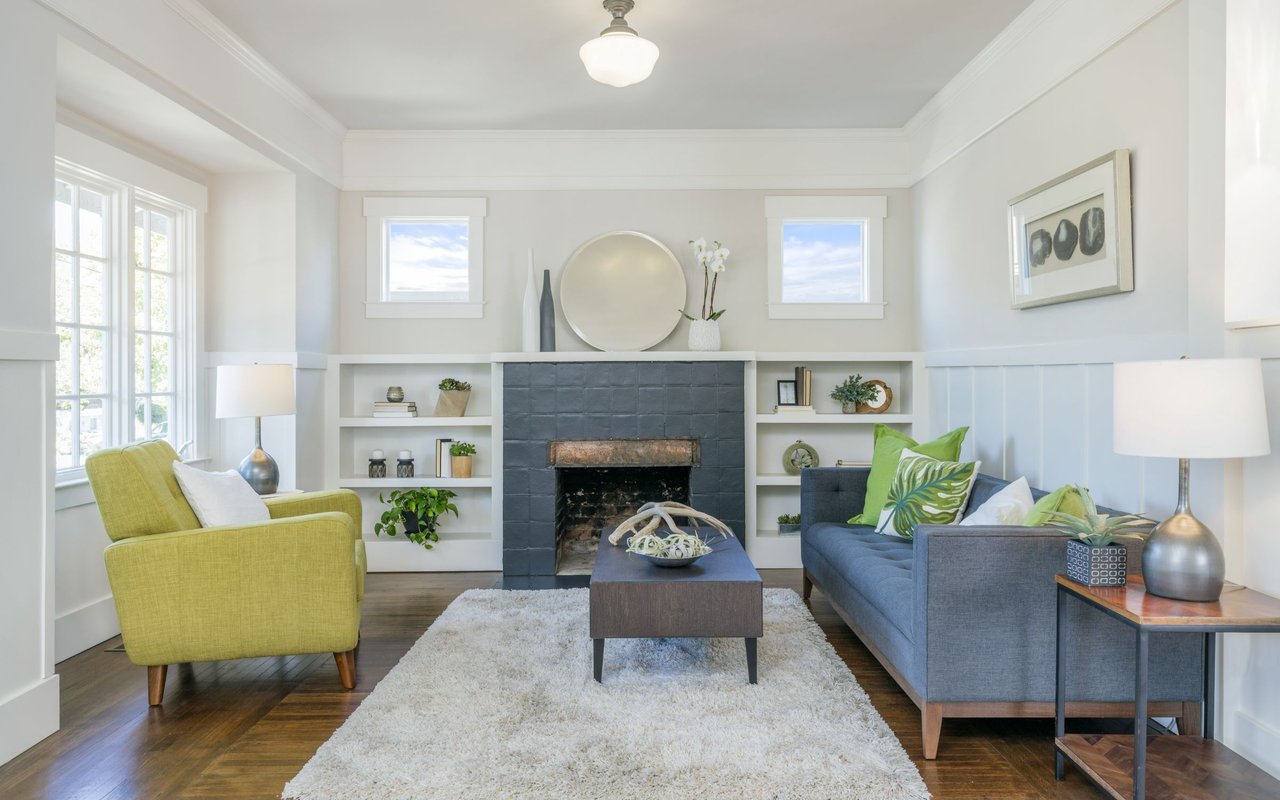
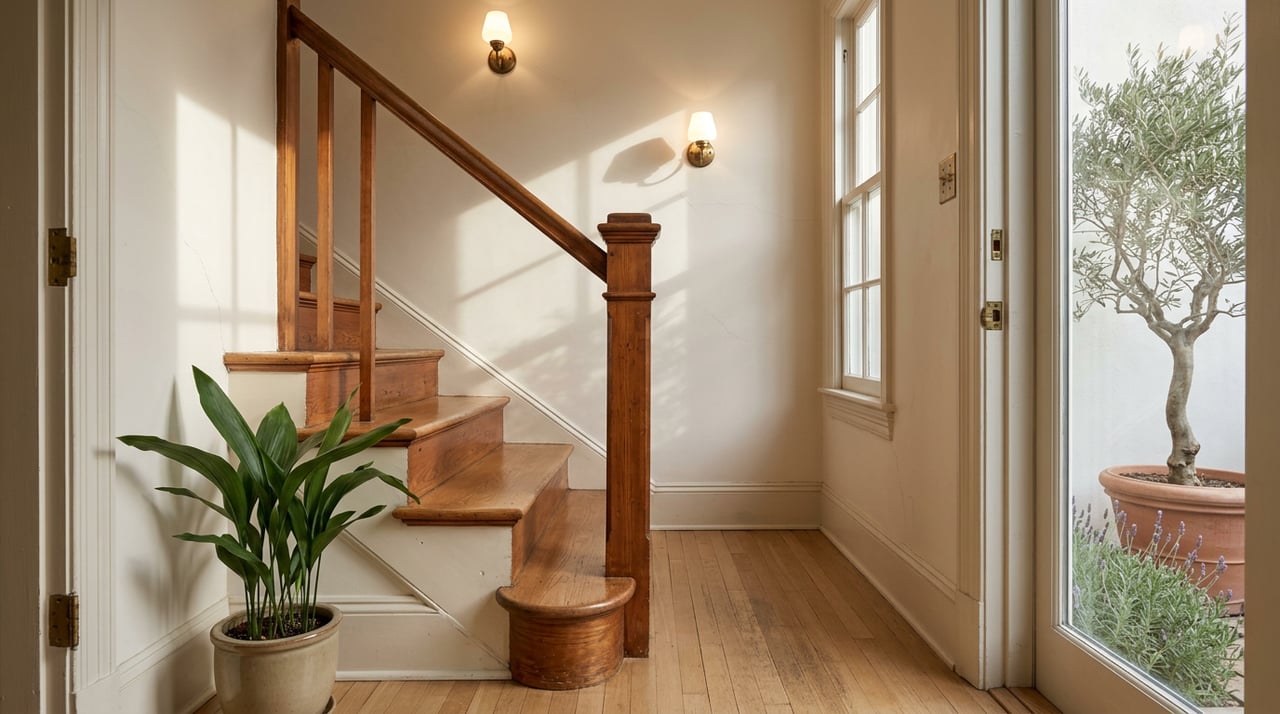
Many buyers are drawn to the craftsmanship you find in older Niles homes. Original woodwork, tall windows, and vintage porches are common features. With the right preparation, you can enjoy those details while making smart updates for comfort and safety.
What “historic” means in Fremont
Fremont treats Niles as a historic area. Some properties are officially designated on the local register, and parts of the district carry a Historic Overlay. If a home is designated or inside a Historic Overlay District, exterior changes often need review. The city’s Historical Architectural Review Board guides that process.
Before you plan a new porch, window change, or facade update, confirm the property’s status. The city’s Historic Resources rules outline how local designation works and what requires review. You can read the municipal code chapter on Historic Resources to understand the basics.
Rules and helpful flexibilities to know
- Objective design standards. Fremont adopted objective design standards for eligible historic homes to make permitting clearer for additions, ADUs, and renovations while protecting integrity. Ask the city planning staff how those standards apply to your address.
- California Historical Building Code. Qualified historic properties can use the California Historical Building Code, which offers performance-based paths that can be more flexible than strict modern code. This is useful when typical code compliance would harm a character-defining feature.
- Mills Act property tax relief. Fremont participates in California’s Mills Act program, which can lower property taxes in exchange for a preservation contract and ongoing maintenance. Ask whether a property already has a contract or if it may qualify. Learn more from the state overview of the Mills Act.
- Federal Historic Tax Credit. The federal program is aimed at income-producing properties. It generally does not apply to owner-occupied single-family homes.
Inspections that protect your budget
Older Niles homes can perform beautifully when systems are maintained. Focus your inspections on safety, structure, and big-ticket items. Use your contingency window to get reports and solid cost estimates.
Seismic and foundations
Fremont sits in an active seismic area. The Hayward Fault has mapped traces and a history of creep in the Niles area, so assume seismic vulnerability until a licensed engineer says otherwise. You can review regional fault context from the USGS Hayward Fault resources.
Typical weak points in older Bay Area houses include unbolted sill plates, unbraced cripple walls, soft-story garage levels, and unreinforced chimneys. The California Residential Mitigation Program describes brace-and-bolt and soft-story retrofits, along with common cost ranges. A basic brace-and-bolt retrofit often runs about 3,000 to 7,000 dollars, while engineered soft-story fixes cost more. See the CRMP FAQs on EBB and ESS for details and potential grants.
What to do next:
- Order a general home inspection, then a structural inspection by a licensed structural engineer if the home has a raised foundation, visible cracks, or a garage under living space.
- Ask the seller for permits and records of any prior seismic work.
- Check if the house is eligible for retrofit grants or discounts.
Electrical and fire safety
Pre-1950 homes may have knob-and-tube wiring and older panels. Many insurers and some lenders are cautious about active knob-and-tube or undersized service, which can affect coverage and loan terms. Have a licensed electrician evaluate any vintage wiring and provide a written estimate to modernize if needed. Chimneys and fireplaces in older homes can also be unreinforced or damaged, so plan a chimney inspection if one is present.
Plumbing and sewer
Older plumbing materials can corrode or become brittle over time. Have a licensed plumber assess supply and drain lines and test water pressure. In mature neighborhoods, a sewer camera scope of the private lateral is common practice. Clay lines and root intrusion are frequent culprits of backups.
Pests and wood damage
Termites and other wood-destroying organisms are common in California. A separate WDO inspection is standard, and the report will label active infestations as Section I and conducive conditions as Section II. Learn what to expect from a WDO inspection through this short overview of termite inspections in California transactions.
Lead paint and asbestos
If the home was built before 1978, federal law requires the seller to provide the EPA/HUD lead notice and allow you the chance to test. For FHA-insured loans, peeling or defective paint surfaces may need correction. If you plan renovations, budget testing for potential asbestos in materials like insulation, floor tiles, or ceiling plaster. The California Department of Public Health summarizes the lead disclosure requirements.
Drainage, flood, and soils
Portions of Fremont are mapped for flood risk or liquefaction susceptibility. Ask the seller about any flood history and elevation certificates, and check FEMA panels and local GIS tools for site-specific risk. Drainage upgrades, proper grading, and dry crawl spaces are key to long-term durability.
Insurance, lending, and taxes
- Earthquake insurance. In California, earthquake coverage is usually added through the California Earthquake Authority. CEA and many carriers offer premium discounts, sometimes up to about 25 percent, for qualifying retrofits. Ask your agent whether a verified retrofit changes deductible options and premium. Review the CEA’s summary of mitigation discounts and policy options.
- Lender rules and renovation loans. FHA and other programs require homes to meet basic health and safety standards. Appraisers may flag unsafe wiring, major roof or foundation issues, or peeling lead paint on pre-1978 homes. If you plan improvements, an FHA 203(k) renovation loan can sometimes finance repairs into the mortgage. Confirm your lender’s underwriting requirements early in escrow.
- Mills Act contracts. A Mills Act contract can significantly reduce annual property taxes in exchange for maintaining the home’s historic features. If you are serious about a designated property, ask whether a contract exists and what obligations run with the deed. Start with the state’s Mills Act overview and confirm specific City of Fremont procedures with planning staff.
A smart path to purchase
Use this checklist to move from admiration to a confident offer.
Pre-offer research
- Check designation first. Is the home on the local register or inside a Historic Overlay District? Read Fremont’s Historic Resources rules and ask the listing agent for confirmation.
- Look for permits. Request copies of finaled permits for seismic work, roof replacement, electrical upgrades, plumbing, and WDO remediation.
- Screen for natural hazards. Review FEMA flood maps and city GIS for flood or liquefaction exposure. Ask about any prior claims or repairs.
Order the right inspections
- General home inspection
- Structural engineer review if indicated
- Electrician assessment for older wiring or panels
- Licensed plumber and sewer camera scope
- WDO (termite) inspection
- Chimney and combustion appliance inspection
- Lead paint evaluation and asbestos testing if renovations are planned
- Historic-preservation consultant for designated properties or complex projects
Questions to ask the seller
- Is the property listed on any historic register, or within a Historic Overlay District?
- Are there any Mills Act contracts, preservation easements, or deed restrictions on exterior changes?
- Can you provide permits and final inspection cards for major work?
- What are the ages and service records for the roof, electrical, sewer lateral, HVAC, WDO treatment, and any seismic retrofit?
- Have there been any violation notices or heritage determinations in the past ten years?
Make negotiation work for you
- Price in the true scope. Use inspection results to estimate costs for seismic bracing, electrical updates, WDO treatment, and roof or chimney repair. Request seller credits, repairs, or an escrow holdback if significant work is needed.
- Clarify design path and timing. If you plan exterior changes to a designated home, request a pre-application meeting with Fremont Planning or HARB to understand review steps and timelines.
- Consider renovation financing. If upgrades are essential, discuss options like FHA 203(k) or similar programs with your lender.
Balance character and comfort
- Start with safety. Prioritize seismic anchorage, sound wiring, a dry foundation, and a functional roof.
- Favor reversible upgrades. Repair and weatherstrip original windows and add storm windows rather than full replacements. Improve comfort with attic insulation and air sealing. These moves respect historic fabric while lowering energy use.
- Use expert guidance. For sensitive features, a preservation architect or consultant can help you apply the California Historical Building Code and keep character intact.
When you pair careful inspections with a clear plan for permits and upgrades, a Niles historic home can deliver both story and stability. If you want a seasoned guide who knows Niles, Fremont process, and East Bay micro-markets, connect with The Kristy Peixoto Team to map out your next steps.
FAQs
What makes a home “historic” in Niles?
- In Fremont, a home may be individually designated on the local register or lie within a Historic Overlay District. Designation status affects how exterior changes are reviewed and permitted.
Can I add an ADU or expand a historic home in Fremont?
- Often yes, but size, placement, and design details may need review to protect the home’s character. Ask planning staff how objective design standards apply to your address before you draft plans.
Which inspections are must-haves for older Niles homes?
- Start with a general home inspection, then add a structural review, electrician assessment, plumber and sewer scope, WDO report, chimney check, and testing for lead paint and asbestos if renovation is planned.
How much does a basic seismic retrofit cost?
- A brace-and-bolt retrofit for a simple raised foundation often runs about 3,000 to 7,000 dollars, with soft-story or engineered solutions costing more depending on site conditions.
Will an earthquake retrofit lower my insurance premium?
- Many policies, including those through the California Earthquake Authority, offer premium discounts for qualifying retrofits. Ask your agent which retrofits qualify and what documentation is required.
Do federal historic tax credits apply to my Niles house?
- Federal Historic Tax Credits are designed for income-producing properties, not owner-occupied single-family homes. For most Niles homeowners, the Mills Act is the more relevant program for potential tax relief.