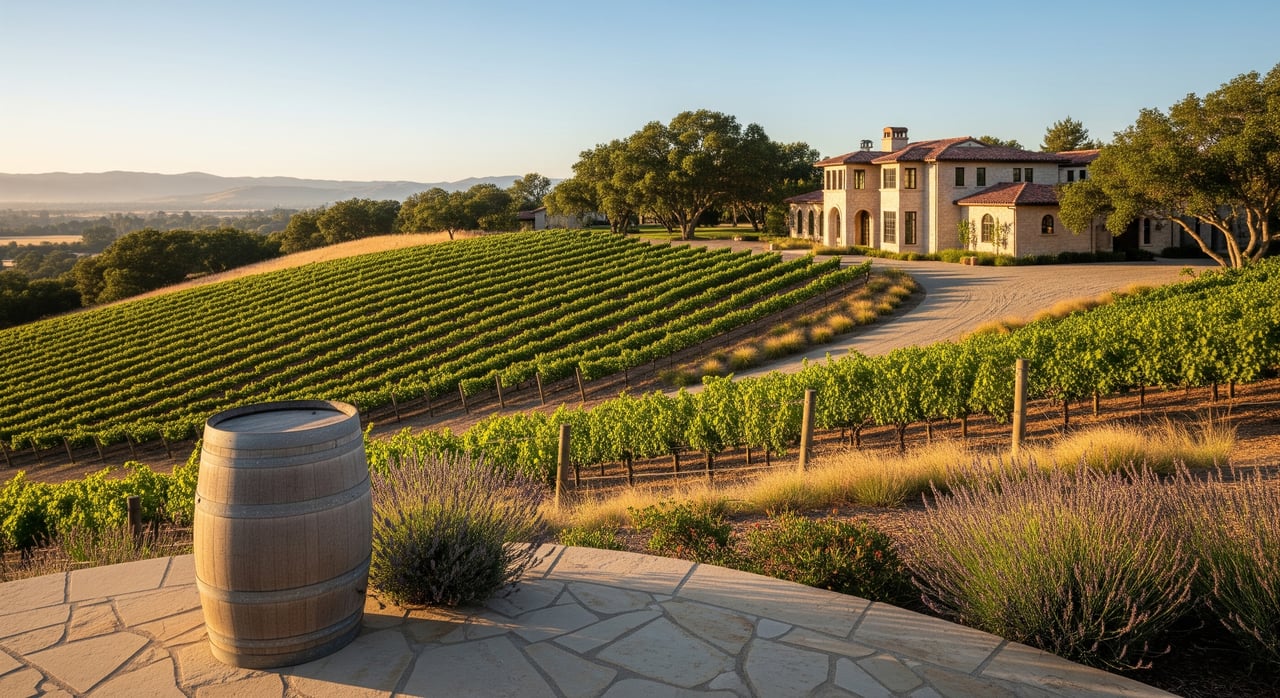
Thinking about selling your Livermore vineyard estate but unsure when to go live? Timing matters, especially for properties where vines, water, permits, and visuals play a real role in value. You want strong buyer interest, smooth showings, and a clean escrow with the right information ready.
In this guide, you’ll learn the best months to list based on your goals, how the vine lifecycle shapes curb appeal, and how wildfire, water, and permits influence timing. You’ll also get a simple prep timeline so you can launch with confidence. Let’s dive in.
What “best time” really means in Livermore
In the Bay Area, many homes list between late winter and spring. That pattern can help vineyard estates, too, but specialty properties follow their own rules. Your buyer pool is smaller, and the right marketing and documentation can outweigh the calendar.
Market conditions often matter more than the month. In tight markets, strong results are possible outside the spring window. In softer markets, seasonality and visuals carry more weight, so timing your launch becomes more important.
Vine cycle and visual appeal
Vineyards are living landscapes, and the timing of your photos and showings should match their peak look.
Winter: Dec to Feb
Vines are dormant and pruned. The landscape looks bare and less photogenic. You can use this period to prep, repair roads, and finalize records so you are ready for spring.
Spring: Mar to May
Budbreak brings green canopies and flowers. This is one of the most photogenic windows for photos, drone video, and private tours. Listings launched in spring benefit from fresh visuals and broader buyer activity.
Summer: Jun to Aug
The canopy is full and veraison begins mid to late summer. Properties look lush and show beautifully. Late summer is also pre-harvest, so crews may start preparations.
Harvest: Aug to Oct
Operations are active with crews and equipment. Some buyers love seeing the action. Others prefer low-traffic showings. If frequent showings are key, avoid launching in the busiest harvest weeks.
Post-harvest: Oct to Nov
Leaves change color and begin to drop. Visuals are mixed. The upside is that you can soon present complete annual production and financial records.
Pick timing by buyer type
Different buyers focus on different outcomes. Match your listing window to the audience you want to attract.
Lifestyle and second-home buyers
These buyers prioritize aesthetics, privacy, entertaining spaces, and an easy Bay Area commute. Your best window is March to June when the estate photographs and shows at its best.
Owner-operators and commercial buyers
These buyers want production certainty, equipment details, water documentation, and permit clarity. Your best window is November to January after harvest when you can present a full year of yields, expenses, and sales.
Investors
Investors can be flexible on timing. They value complete financials, lease agreements, and permit status over the month on the calendar. Provide clean documentation and they will engage year-round.
Risk seasons to consider
Wildfire risk in Northern California is typically higher in late summer and fall. Smoke can reduce curb appeal and complicate showings. If possible, avoid launching during heavy smoke periods or be ready to address insurance and mitigation in your marketing and disclosures.
Water reliability is central for vineyards. Be prepared with well logs, permits, pumping tests, irrigation records, and any details from local water agencies. Buyers and lenders will ask early.
Winter rain can impact rural access roads and staging areas. Spring and early summer often avoid wet-season access issues and make it easier to host private tours.
Insurance and financing review wildfire, seismic, and water risk. Quotes and renewals can take time. Build in buffer days so insurance underwriting does not delay closing.
Your 6 to 12 month prep timeline
A great outcome starts well before you list. Use this simple checklist to get ahead.
6 to 12 months out:
- Compile title records, parcel maps, and any easements or conservation restrictions.
- Gather water documentation: well permits, logs, pumping tests, and irrigation records.
- Organize permit histories for winery, tasting room, events, or short-term rentals.
- Assemble production and financial records for recent years, including grape contracts.
3 to 6 months out:
- Complete maintenance: fencing, gates, roads, drainage, and equipment areas.
- Tidy and prune for a clean spring presentation if listing March to June.
- Improve arrival experience: signage, driveway edges, parking, lighting, and safety.
4 to 8 weeks out:
- Schedule professional photography and drone video during peak green canopy.
- Stage indoor spaces such as tasting rooms, casitas, and outdoor entertaining zones.
- Prepare a property book: maps, block charts, soils, rootstock and clones, water info, and permit summaries.
Just before going live:
- Finalize disclosures, including right-to-farm and any pesticide notices.
- Document wildfire mitigation like defensible space and cleared access roads.
- Prepare a “vintage packet” if applicable with yields, expenses, and sales.
Permits, zoning, and taxes
If your estate includes a commercial winery, tasting room, or event space, have complete permit files ready. Compliance and transferability strongly influence buyer confidence and pricing. Confirm zoning and any operational limits in advance so buyers can move quickly during due diligence.
Some properties have agricultural tax classifications or exemptions. Clarify status with the county assessor and be prepared to explain how it affects ongoing obligations.
Pricing and negotiation by season
Listing after harvest can support valuation with complete annual numbers. Commercial buyers often accept a premium for verified production and clear financials. Spring listings can draw broader lifestyle interest and more competing offers, but commercial buyers may add contingencies to verify yields when full-year records are not yet available.
Regardless of month, be ready to discuss insurance premiums, water reliability, and wildfire mitigation. Clear documentation strengthens your position in negotiations.
Marketing that matches the month
Align visuals with your target audience.
- Spring to early summer: highlight green canopies, landscaped entries, patios, and views. Capture drone footage that shows property lines and neighboring context.
- Late summer to harvest: feature veraison, golden light, and vineyard operations for buyers who want to see the working side.
- Post-harvest: pair compelling interiors and amenities with documented production narratives and year-end results.
Use concise, informative captions. Buyers of vineyard estates want both beauty and facts.
Showing strategy during harvest
If you must show during harvest, coordinate closely with crews. Consider guided tours with set times rather than open houses. Map safe walking paths, limit equipment conflicts, and provide protective boot covers when needed. Clear logistics protect operations and create a positive buyer experience.
Putting it all together
- For maximum visual appeal and broad exposure: list March to July.
- For owner-operators who want full-year numbers: list November to January.
- To avoid smoke and insurance hurdles: steer clear of late summer to fall when wildfire conditions peak, if possible.
- No matter the month: strong documentation, professional visuals, and a clear showing plan win the day.
Ready to decide the best window for your goals and property specifics? Schedule your white-glove consultation with The Kristy Peixoto Team to align timing, marketing, and pricing with today’s market.
FAQs
When is the best month to list a Livermore vineyard estate?
- For visual appeal and broad buyer interest, March to June is ideal. If you need complete production records for commercial buyers, November to January works best.
Should I list during harvest season in Livermore?
- You can, but showings may be harder due to active operations. If frequent tours are important, avoid the busiest harvest weeks or switch to guided appointments.
How does wildfire season affect my listing strategy?
- Late summer to fall can bring smoke and insurance uncertainty. If possible, launch outside that window or be prepared with mitigation documentation and insurance guidance.
Do commercial buyers prefer full-year vineyard records?
- Yes. Owner-operators usually want complete yield, expense, and sales data, which you can provide most easily right after harvest.
What documents should I prepare before listing a vineyard estate?
- Water and well records, irrigation logs, permits and zoning, title and easements, production and financials, grape contracts, right-to-farm and pesticide disclosures, and any tax classifications.
When will my vineyard look best for photos and video?
- Spring through early summer provides the lushest canopy and most attractive visuals. Schedule drone shoots during this window when possible.
How do permits for tasting rooms or events affect value?
- Clear, compliant permits improve marketability and pricing. Incomplete or uncertain permits tend to lengthen due diligence and reduce buyer confidence.